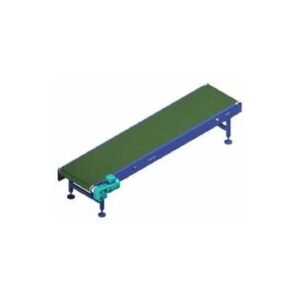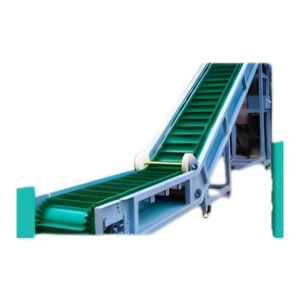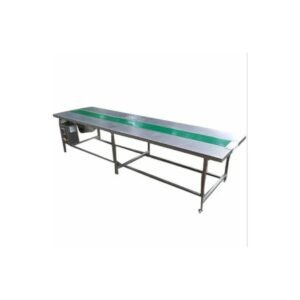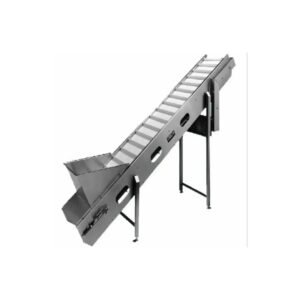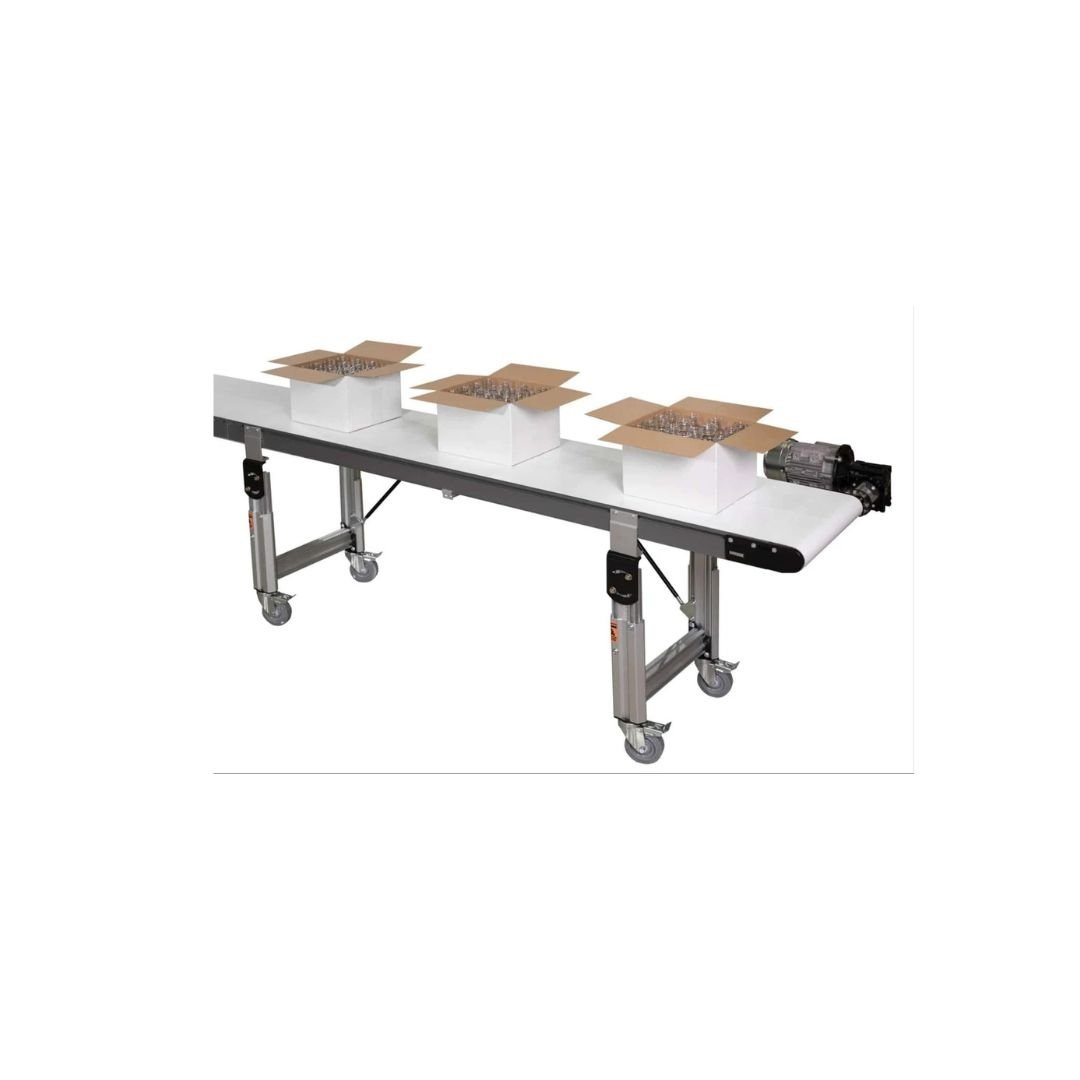
Material Handling Conveyors are designed for efficient movement of goods, ensuring smooth operations in warehouses, logistics, and production facilities.
Material Handling Conveyor – Enhancing Efficiency in Industrial Operations
In modern industries, smooth and efficient material movement is essential for optimizing workflow, reducing manual labor, and improving productivity. A Material Handling Conveyor is a versatile solution designed to transport goods seamlessly across warehouses, logistics hubs, and manufacturing units.
These conveyor systems are customizable to meet different industry needs, ensuring safe, cost-effective, and efficient material transport. Whether handling small packages or bulk materials, material handling conveyors are indispensable in today’s industrial landscape.
What is a Material Handling Conveyor?
A Material Handling Conveyor is a mechanized system that automates the movement of goods, raw materials, or finished products from one location to another.
🔹 Key Components of a Material Handling Conveyor
✔ Conveyor Belt or Rollers – Moves materials efficiently.
✔ Drive System (Motors & Pulleys) – Powers the conveyor for smooth transport.
✔ Support Structure – Provides stability and durability.
✔ Control Mechanism – Regulates speed, stops, and emergency functions.
These components work together to ensure seamless and precise material transport, enhancing productivity in various industries.
Types of Material Handling Conveyors
Different industries require specialized conveyor systems based on their operational demands.
1️⃣ Belt Conveyors
🔹 Best for continuous movement of lightweight to medium loads.
🔹 Commonly used in warehousing, packaging, and food processing.
2️⃣ Roller Conveyors
🔹 Uses rollers instead of a moving belt for heavy loads.
🔹 Ideal for assembly lines, logistics centers, and airports.
3️⃣ Chain Conveyors
🔹 Equipped with chains for high-load transport.
🔹 Used in automobile manufacturing and metal industries.
4️⃣ Screw Conveyors
🔹 Designed for bulk material transport like grains, cement, and chemicals.
🔹 Frequently used in agriculture and construction.
5️⃣ Overhead Conveyors
🔹 Suspended from the ceiling for optimized floor space.
🔹 Ideal for garment industries and automotive assembly.
Selecting the right conveyor system depends on load type, industry requirements, and space availability.
How Does a Material Handling Conveyor Work?
The basic working principle of a material handling conveyor is simple:
🔹 Step 1: Loading Materials
🔹 Step 2: Transporting Materials
🔹 Step 3: Sorting & Processing (Optional)
🔹 Step 4: Unloading Materials
This automated transport process reduces manual effort, speeds up operations, and enhances overall efficiency.
Key Features of Material Handling Conveyors
✔ Continuous Flow – Ensures uninterrupted material movement.
✔ High Load Capacity – Handles various material sizes and weights.
✔ Modular & Customizable Design – Adaptable to different operational needs.
✔ Durable & Low Maintenance – Built with high-quality materials for long-term use.
✔ Advanced Control Systems – Provides automated speed control and safety features.
These features make material handling conveyors an essential tool for industries seeking efficiency and cost savings.
Advantages of Using Material Handling Conveyors
✅ 1. Increased Productivity & Efficiency
✅ 2. Cost-Effective & Labor-Saving
✅ 3. Enhanced Workplace Safety
✅ 4. Versatility Across Industries
✅ 5. Optimized Space Utilization
By incorporating a Material Handling Conveyor, industries can enhance their operational efficiency and reduce overhead costs.
Industries That Benefit from Material Handling Conveyors
🔹 Logistics & Warehousing – Efficient package sorting and distribution.
🔹 Food & Beverage – Hygienic transportation of raw and processed foods.
🔹 Mining & Bulk Handling – Moving aggregates like coal, sand, and gravel.
🔹 Manufacturing & Assembly Lines – Automating production processes.
🔹 Retail & E-Commerce – Streamlining order fulfillment operations.
🔹 Agriculture – Transporting grains, fertilizers, and produce.
These industries rely on conveyors for fast, accurate, and safe material movement.
Choosing the Right Material Handling Conveyor
When selecting a Material Handling Conveyor, consider:
✔ Material Type & Load Capacity – Is it lightweight or heavy-duty?
✔ Space & Layout Requirements – Customizable designs for specific needs.
✔ Speed & Automation Levels – Does your operation require manual or fully automated transport?
✔ Durability & Maintenance – Look for long-lasting and easy-to-maintain options.
At stitch experts, we specialize in tailored conveyor solutions to fit your business requirements.
Why Choose stitch experts for Material Handling Conveyors?
At stitch experts, we provide high-quality Material Handling Conveyors designed to enhance efficiency, durability, and cost-effectiveness.
🔹 What Sets Us Apart?
✔ Top-Grade Materials & Cutting-Edge Technology
✔ Custom Conveyor Solutions for Various Industries
✔ Expert Engineering Support & On-Time Delivery
✔ Affordable & Energy-Efficient Designs
📞 Contact us today for a customized conveyor solution that fits your industry needs!
Conclusion
A Material Handling Conveyor is a must-have system for businesses looking to improve productivity, reduce labor costs, and enhance operational efficiency. Whether in warehousing, logistics, mining, or food processing, these systems ensure fast, accurate, and safe material transport.
At stitch experts, we offer premium conveyor systems tailored to your business requirements.
📞 Get in touch today and take your material handling operations to the next level! 🚀