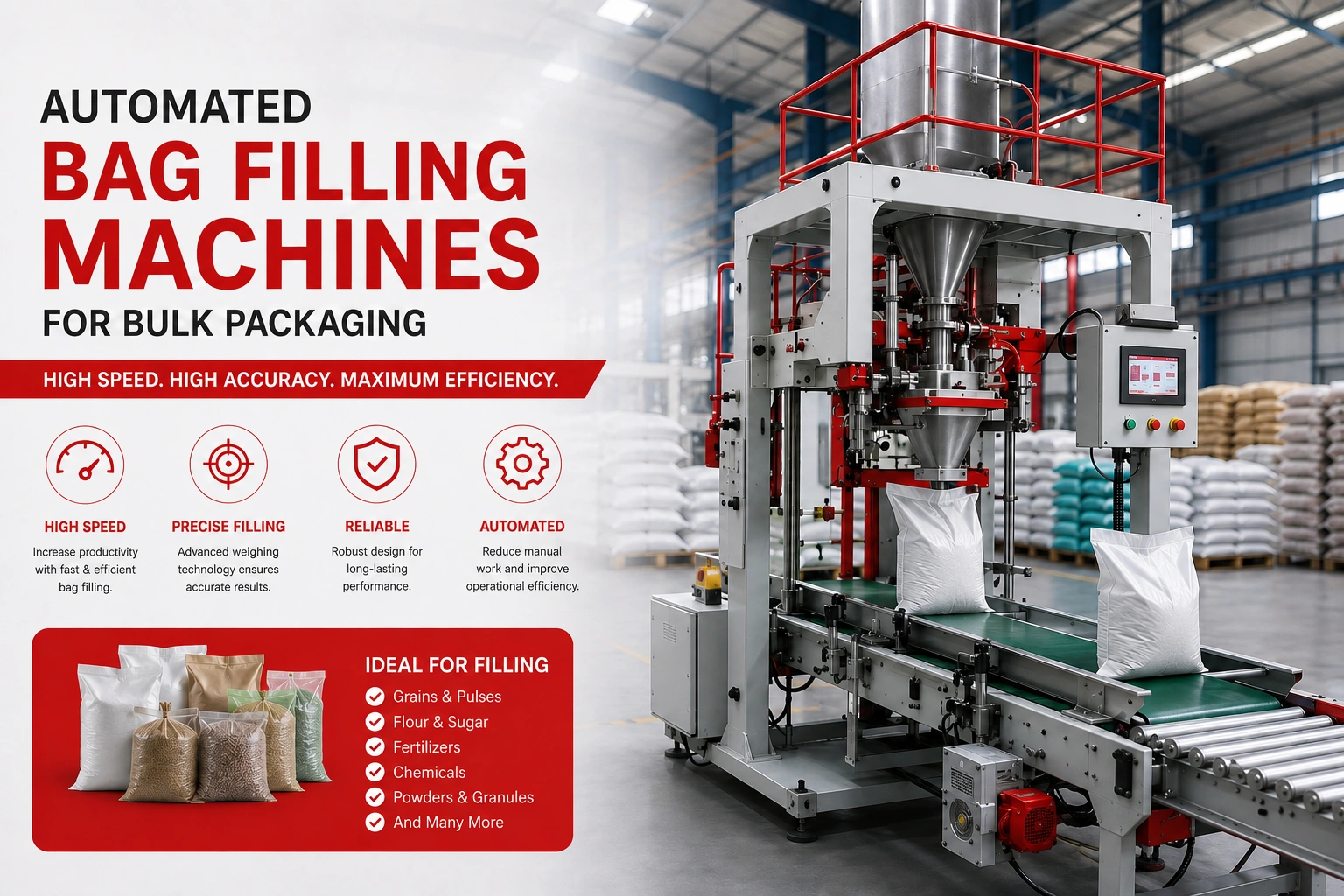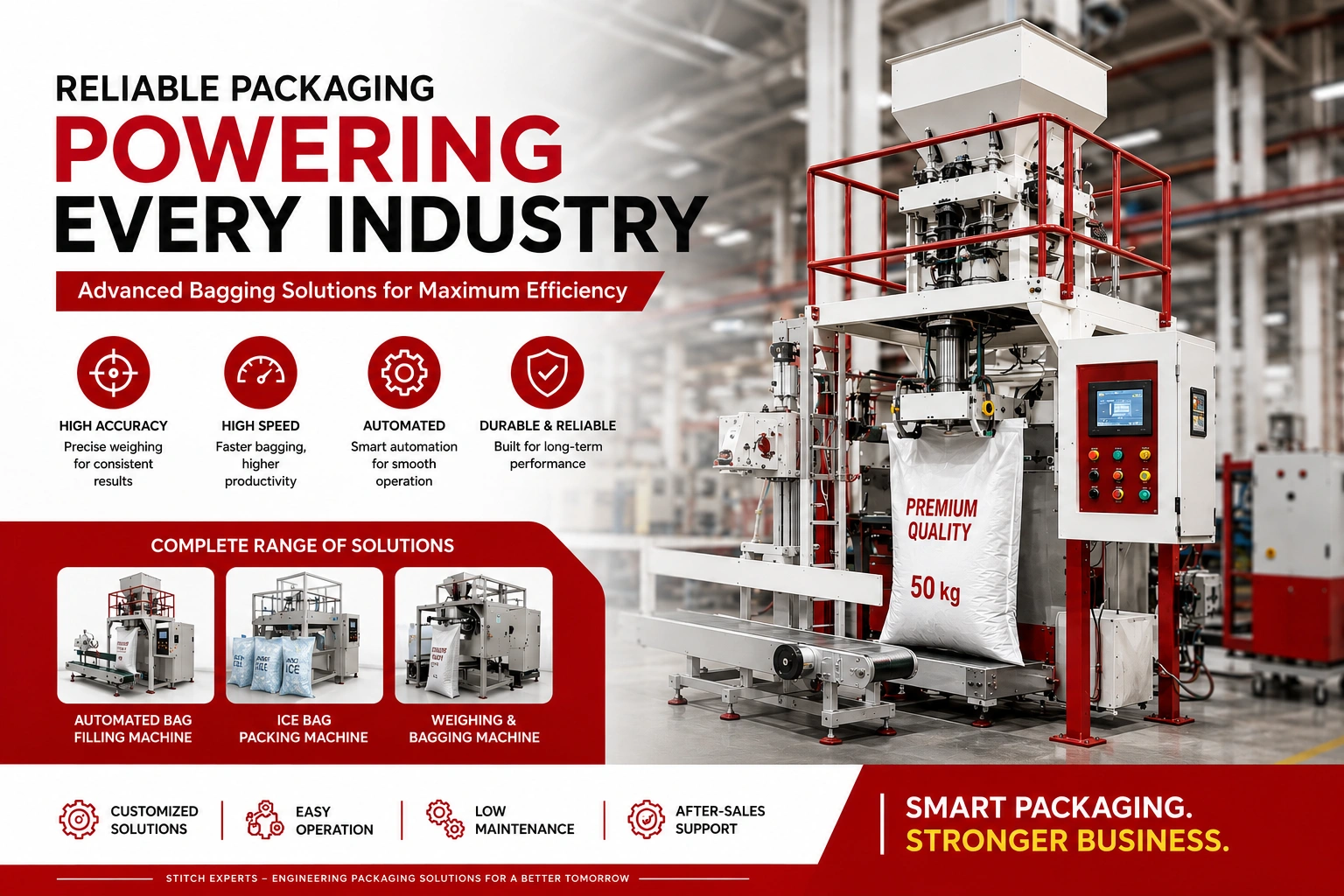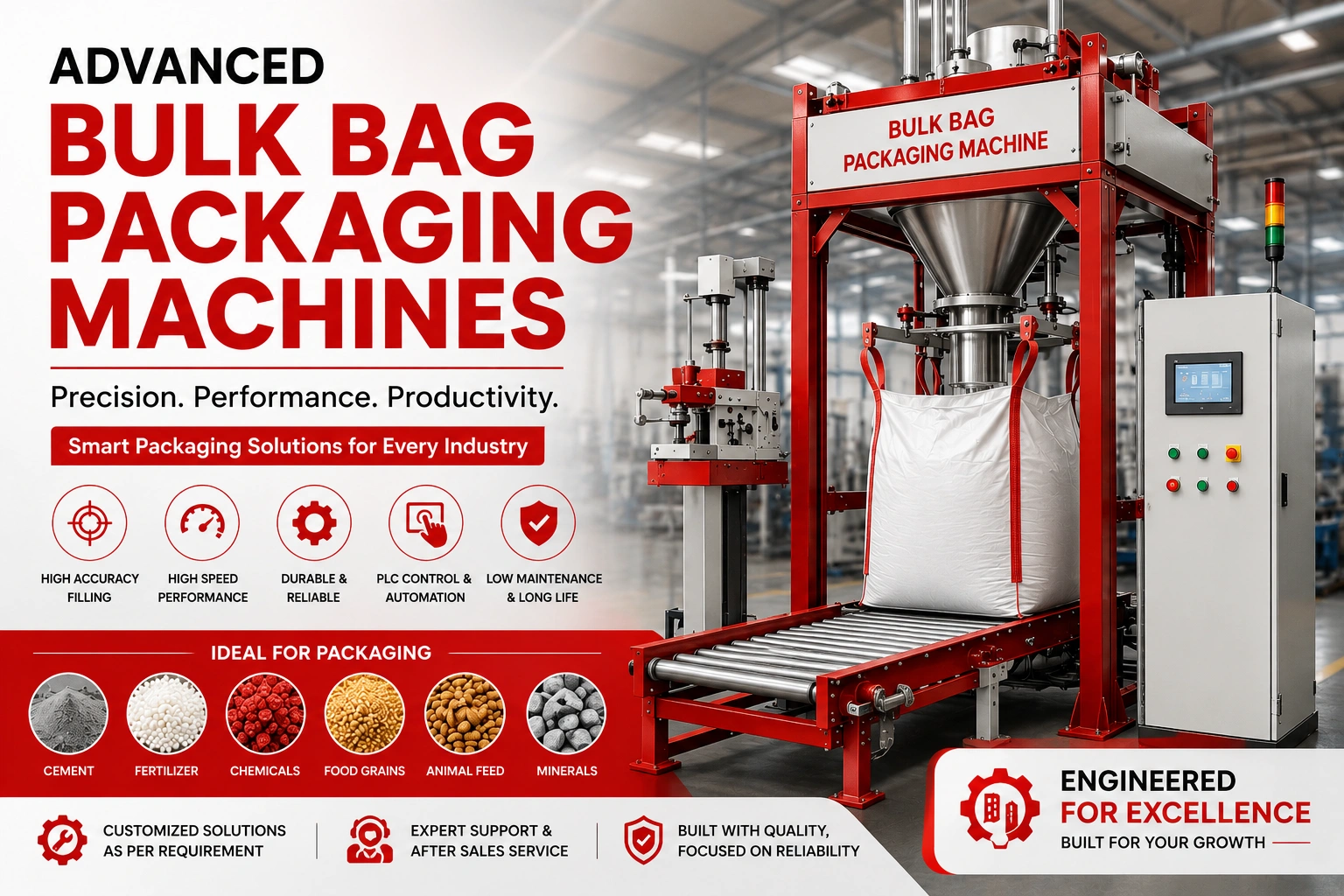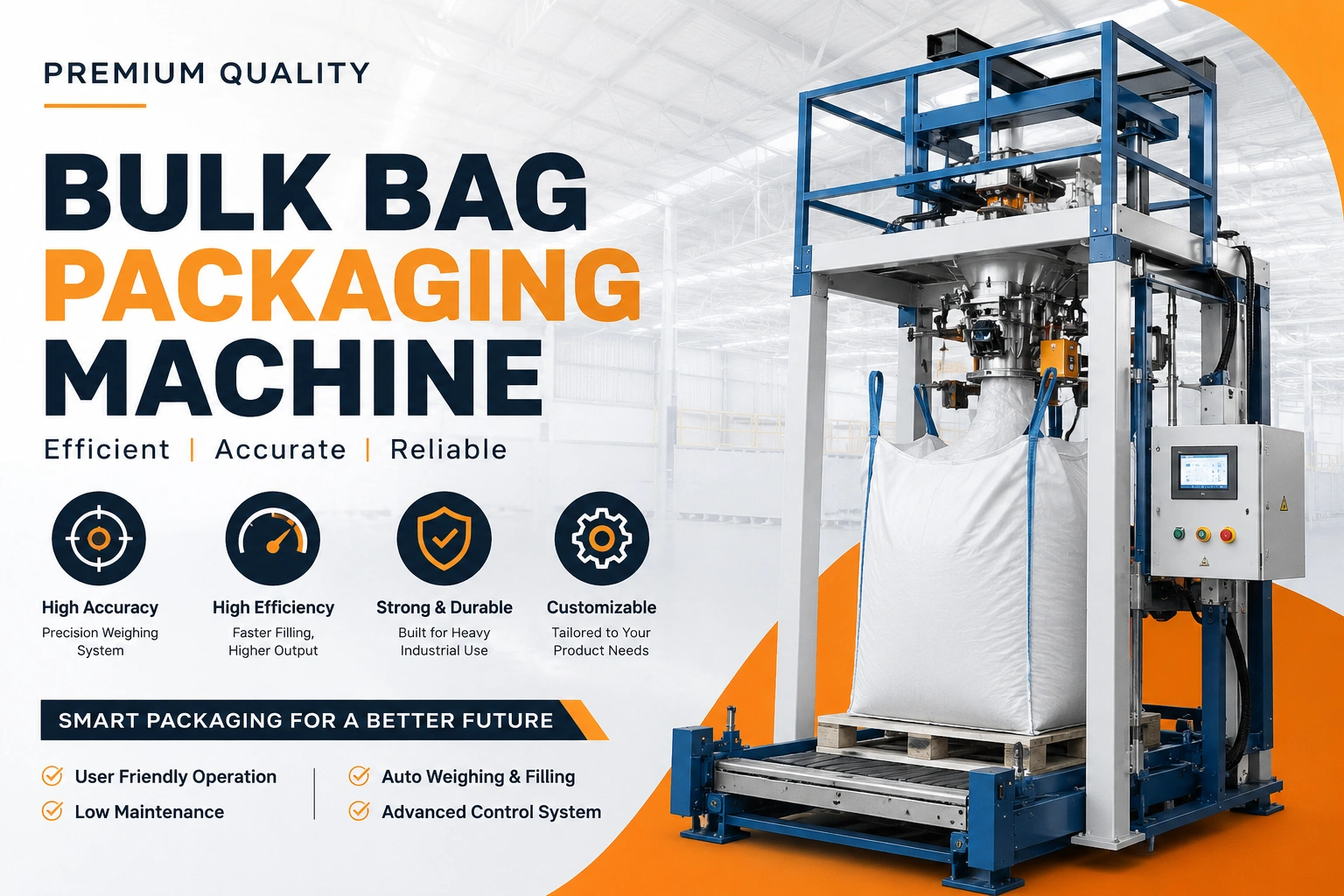
Modern manufacturing businesses require reliable, fast, and accurate packaging solutions to meet increasing production demands. An Industrial Bagger Machine for Packaging helps manufacturers automate bagging operations, improve packaging consistency, reduce manual labor, and maintain efficient production workflows. From textile products and garments to industrial components and consumer goods, automated bagging systems offer a practical solution for businesses seeking better productivity and packaging quality.
Stitch Experts understands the importance of efficient packaging in today’s competitive manufacturing environment. By focusing on practical packaging requirements and modern industrial solutions, businesses can streamline their operations and improve overall packaging performance.
What Is an Industrial Bagger Machine?
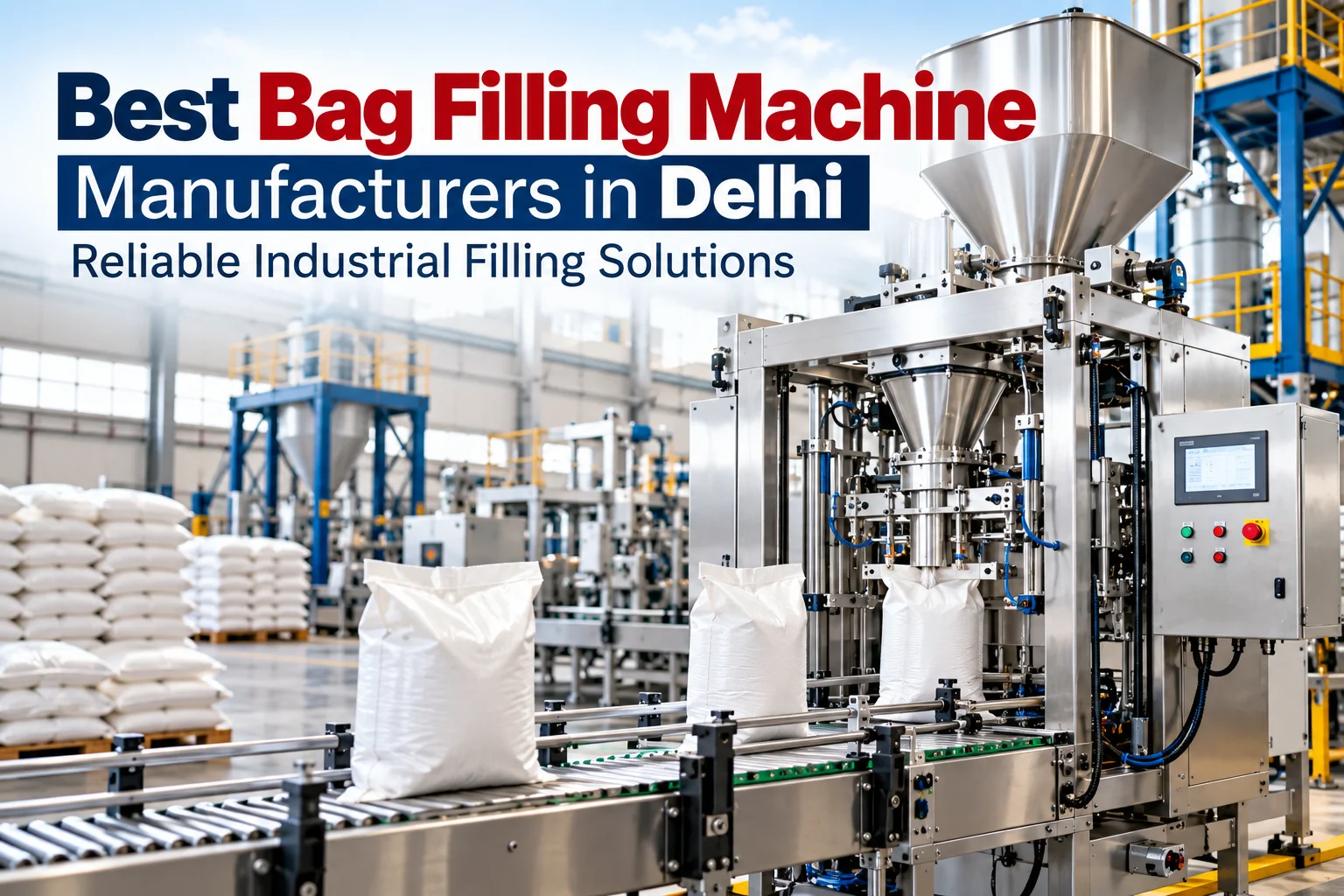
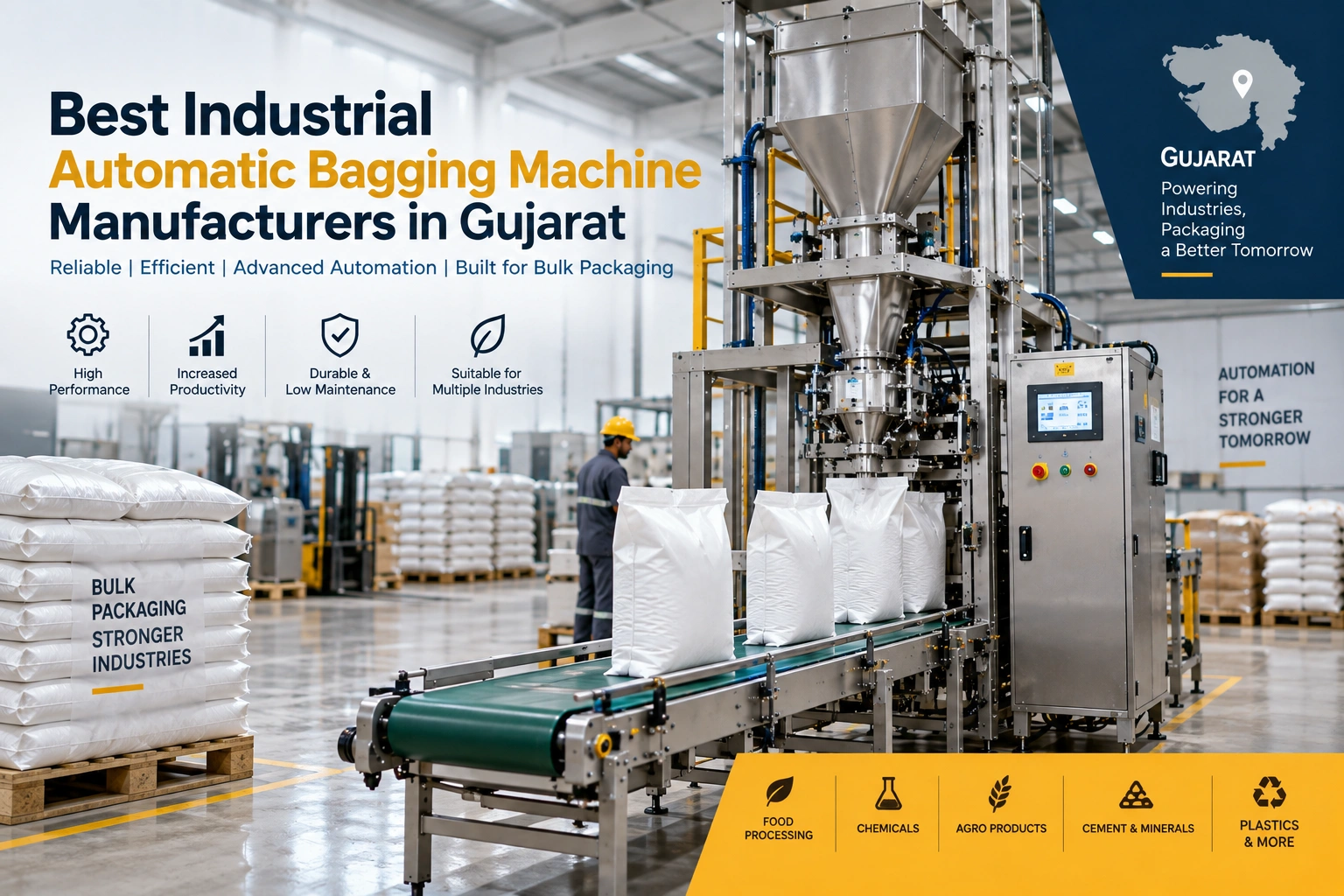
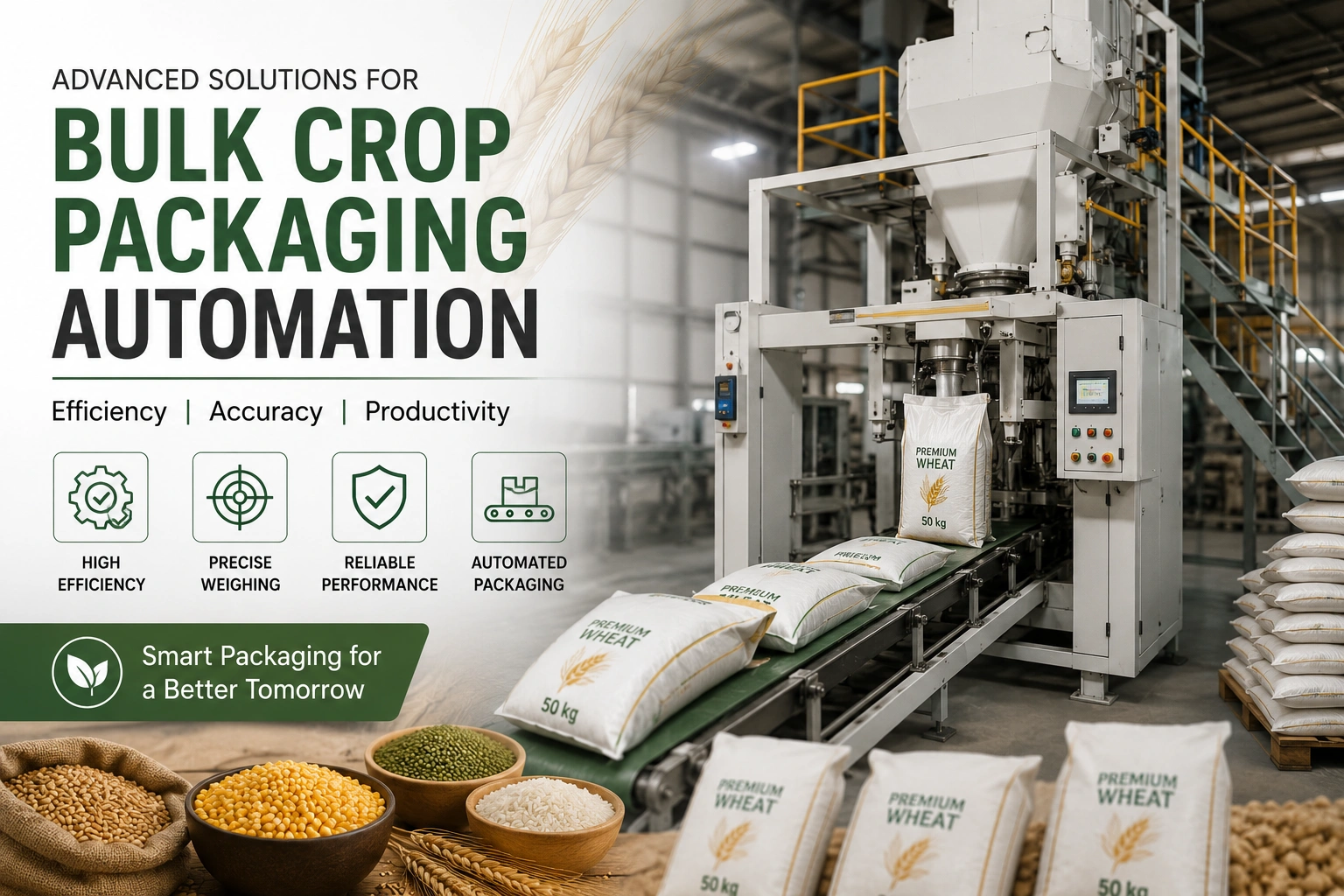
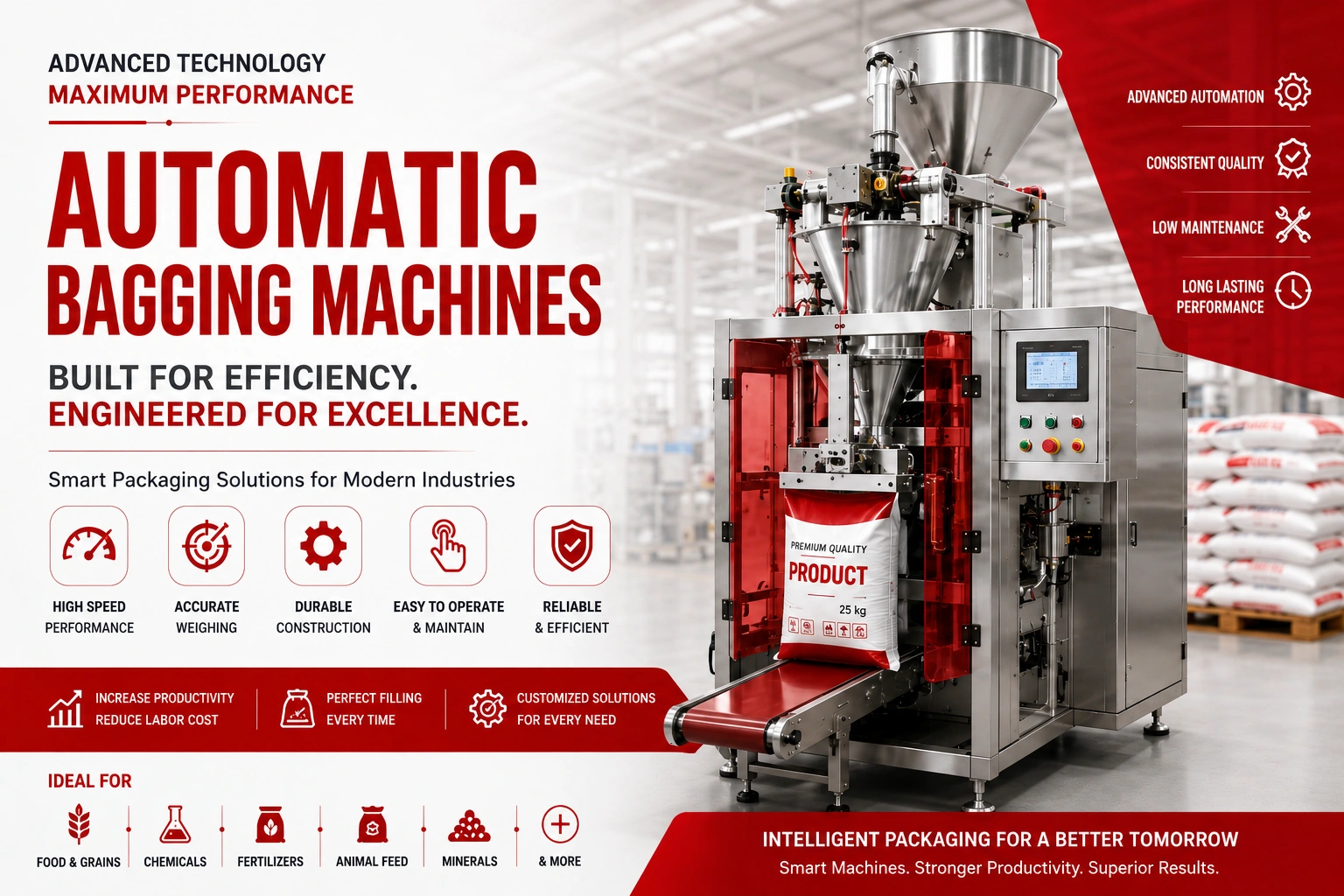
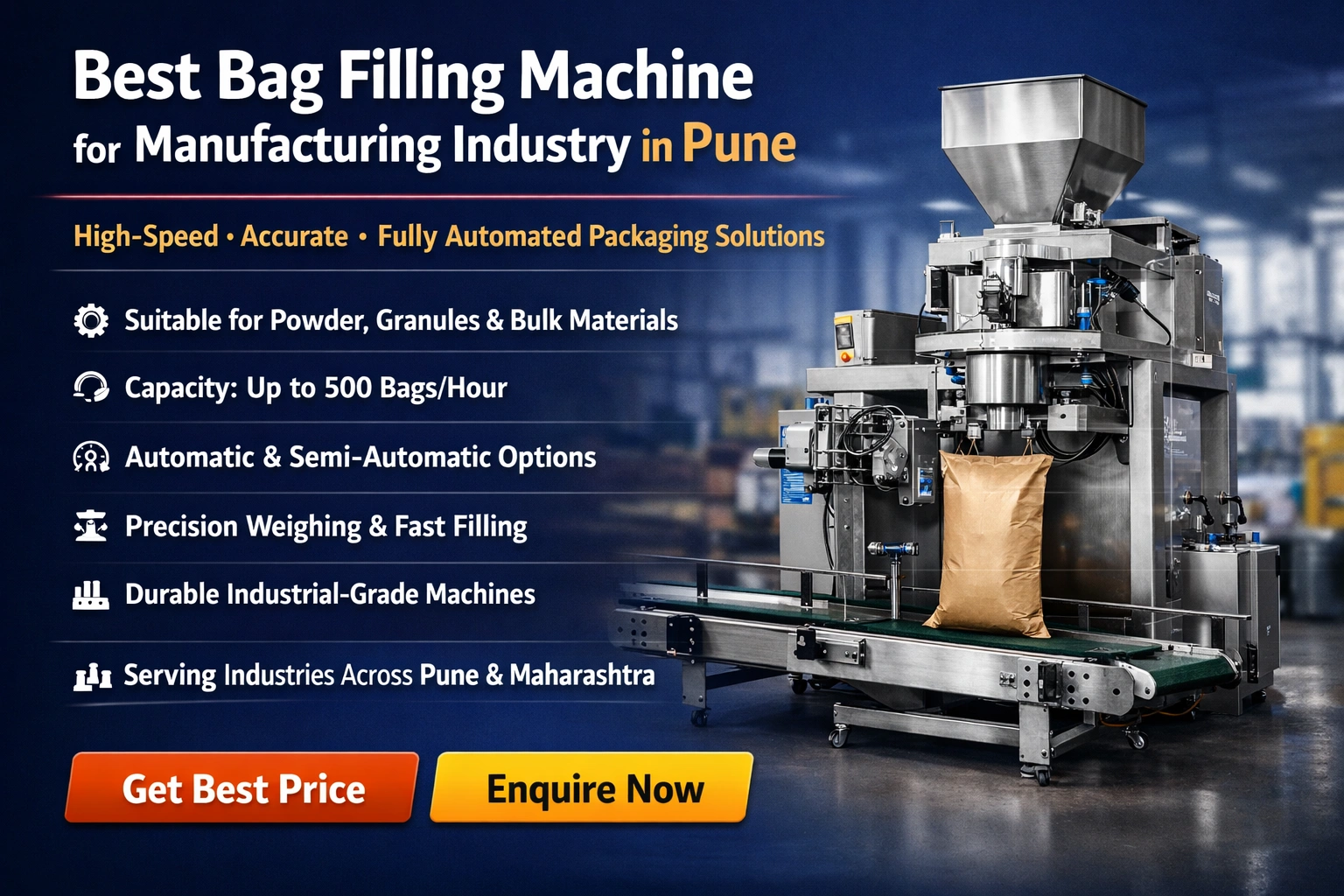
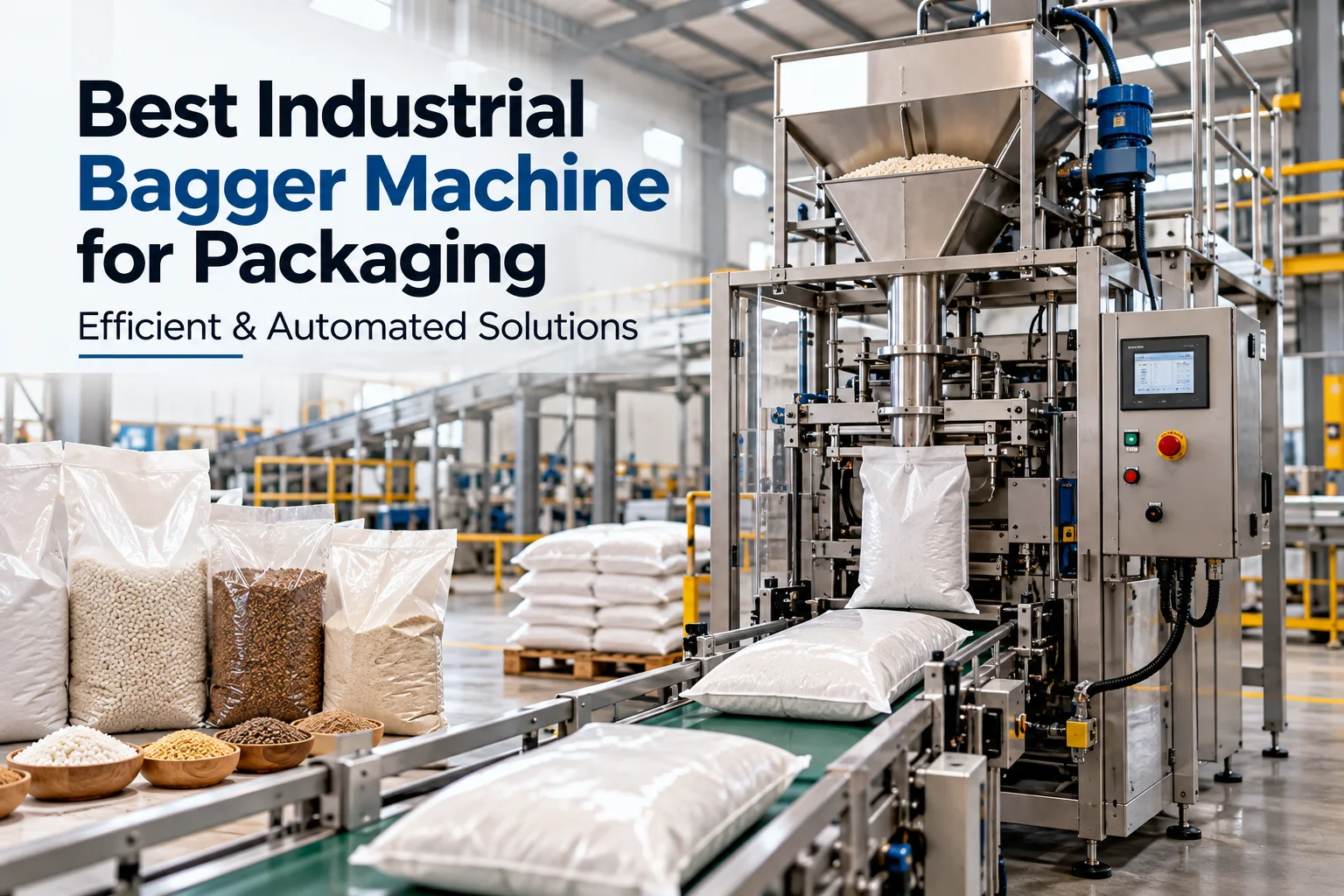
An Industrial Bagger Machine is specialized equipment designed to place products into bags quickly and consistently. Depending on the machine configuration, it can handle different packaging materials, product dimensions, and production requirements. These machines are commonly used in manufacturing facilities, warehouses, distribution centers, and industries that package products in large quantities.
A Bagger Machine for Packaging can reduce repetitive manual tasks by automating important stages of the packaging process. Depending on the model, these operations may include bag opening, product insertion, bag positioning, sealing, and discharge.
For businesses that process garments, textiles, accessories, or other manufactured products, automated bagging equipment can help maintain a consistent packaging process while supporting higher production volumes.
Key Benefits of Industrial Bagging Machines
1. Improved Packaging Productivity
Manual packaging can become time-consuming when businesses need to process hundreds or thousands of products daily. Automated systems help increase packaging speed by reducing repetitive handling and streamlining the workflow.
A properly selected machine allows production teams to package more products within a given period, helping businesses manage large orders and demanding delivery schedules.
2. Consistent Packaging Quality
Packaging consistency plays an important role in product presentation and customer satisfaction. Manual bagging may result in variations in product positioning, bag closure, or overall appearance.
A modern Bagger Packaging Machine helps maintain uniform packaging results through controlled operating procedures. This is particularly beneficial for garment manufacturers, textile suppliers, and businesses that require neat and professional product presentation.
3. Reduced Manual Labor
Packaging activities often involve repetitive movements that require considerable time and manpower. Automation can reduce the physical effort associated with routine bagging operations.
An Automatic Bagger Machine helps employees focus on other important responsibilities, including quality inspection, inventory management, and production supervision. This can improve workforce efficiency without compromising packaging standards.
4. Better Operational Efficiency
An integrated packaging system can support smoother production workflows by coordinating bagging activities with other manufacturing processes. Depending on the machine’s features, businesses may also benefit from adjustable settings, simplified operation, and reduced handling errors.
Choosing equipment that matches production requirements helps minimize unnecessary delays and improves the overall utilization of manufacturing resources.
Applications of Industrial Bagger Machines
Industrial bagging equipment is suitable for various industries that require organized, efficient, and reliable packaging operations.
Textile and Garment Industry
Garment manufacturers and clothing suppliers frequently package shirts, trousers, uniforms, bedsheets, and other textile products in protective bags. Automated bagging equipment can help maintain neat product presentation while supporting bulk packaging requirements.
For textile businesses, suitable equipment can also help protect finished products from dust, moisture exposure, and handling during storage and transportation, depending on the packaging material used.
E-Commerce and Retail
Online retailers and fulfillment centers process numerous customer orders daily. Packaging automation helps standardize product preparation and supports faster order fulfillment.
Machines configured for suitable products can simplify bagging operations for clothing, accessories, and selected retail merchandise.
Manufacturing and Industrial Components
Manufacturers of small components, accessories, and selected industrial products may use automated bagging systems to organize products before dispatch. Appropriate bag sizes and packaging configurations help ensure that products are packed according to their handling and transportation requirements.
Warehousing and Distribution
Distribution centers need efficient packaging processes to manage inventory movement and prepare goods for shipment. Automated bagging equipment can support these activities by reducing manual handling and improving workflow organization.
Important Features to Consider Before Buying
Selecting the right Industrial Packaging Machine requires an understanding of your production environment and product specifications. Businesses should evaluate several important factors before making a purchasing decision.
Packaging speed: Consider the number of products that must be packaged per hour or shift. Select equipment that can support current demand while allowing reasonable room for future growth.
Product compatibility: Check the dimensions, weight, shape, and material of the products being packaged. Garments and soft textile products may require different configurations from rigid industrial components.
Bag material and size: Confirm which bag materials, widths, lengths, and thicknesses the machine supports. Compatibility is essential for reliable operation and consistent packaging results.
Automation level: Determine whether a semi-automatic or fully automatic system is appropriate. The right choice depends on production volume, available labor, budget, and existing equipment.
Ease of operation: User-friendly controls, accessible adjustment settings, and straightforward maintenance procedures can make daily operations easier for production teams.
Maintenance and service: Evaluate the availability of spare parts, technical assistance, and routine maintenance support. Reliable after-sales service can help reduce downtime and maintain long-term equipment performance.
Automatic Bagger Machine vs. Manual Packaging
Manual packaging may be suitable for small businesses with limited production volumes or frequently changing product requirements. However, as production increases, manual processes can become difficult to scale.
An Automatic Bagger Machine offers advantages such as repeatable packaging operations, reduced repetitive labor, and improved production consistency. Depending on the configuration, automation can also help reduce packaging errors and improve the coordination of multiple production stages.
Although automated equipment generally requires a higher initial investment, businesses should assess the total cost of ownership, including labor, maintenance, packaging materials, energy consumption, and expected production output.
The most effective solution is not necessarily the machine with the highest speed. It is the equipment that meets actual production needs while delivering dependable performance and an appropriate return on investment.
Why Choose Stitch Experts for Packaging Solutions?
Stitch Experts recognizes that every manufacturing business has different packaging requirements. Product types, production volumes, packaging materials, and available workspace all influence equipment selection.
When evaluating packaging machinery, businesses should prioritize practical performance, product compatibility, ease of use, and long-term operational requirements. Stitch Experts can be positioned around understanding these needs and helping businesses identify packaging solutions that support their manufacturing and workflow objectives.
Before choosing a machine, manufacturers should clearly define their production targets, evaluate product samples, and confirm the equipment’s technical specifications. A well-informed purchasing decision can help businesses improve packaging efficiency and prepare for future growth.
Tips for Maintaining Packaging Equipment
Regular maintenance is essential for keeping industrial packaging equipment operating efficiently. Operators should follow the manufacturer’s maintenance instructions and inspect important components at recommended intervals.
- Clean the machine regularly to prevent dust and packaging residue from affecting performance.
- Inspect moving components and replace worn parts according to manufacturer recommendations.
- Check sensors, sealing components, and bag-feeding mechanisms where applicable.
- Train operators to follow correct operating and safety procedures.
- Monitor packaging quality to identify operational problems early.
- Schedule preventive maintenance to minimize unexpected production interruptions.
Consistent maintenance can extend equipment service life, support reliable output, and help reduce avoidable repair costs.
Conclusion
An Industrial Bagger Machine for Packaging is a valuable investment for manufacturers seeking improved productivity, consistent packaging quality, and more efficient production workflows. From textile manufacturing and garment packaging to e-commerce fulfillment and selected industrial applications, the right equipment can reduce repetitive manual work and support growing business demands.
Before investing in a Bagger Machine for Packaging, businesses should carefully assess production capacity, product compatibility, automation requirements, maintenance needs, and long-term operating costs.
With a clear understanding of packaging objectives and suitable equipment specifications, businesses can build a more efficient packaging process. Stitch Experts emphasizes the importance of selecting practical solutions that align with manufacturing requirements, helping businesses pursue better productivity, dependable packaging, and sustainable operational growth.