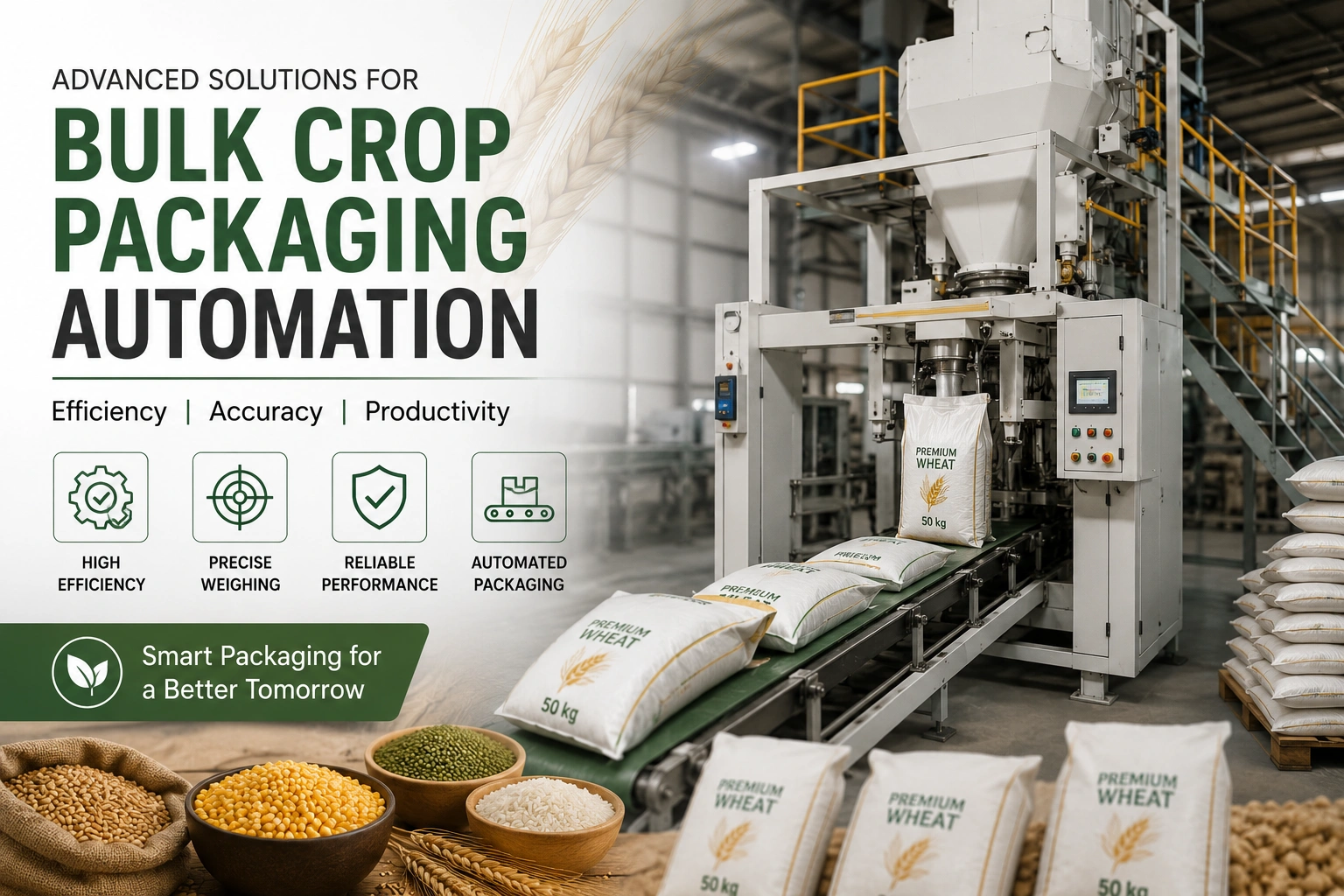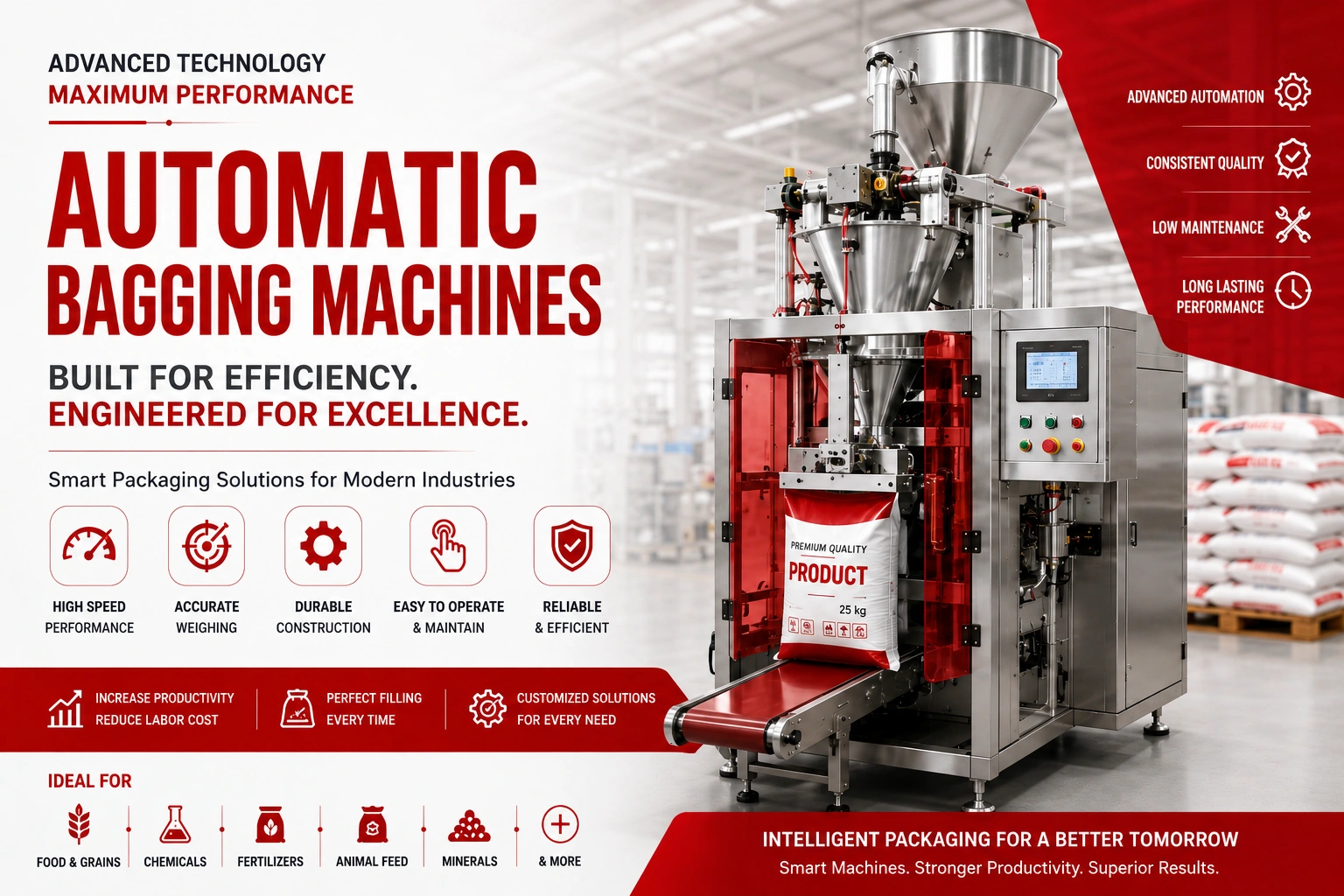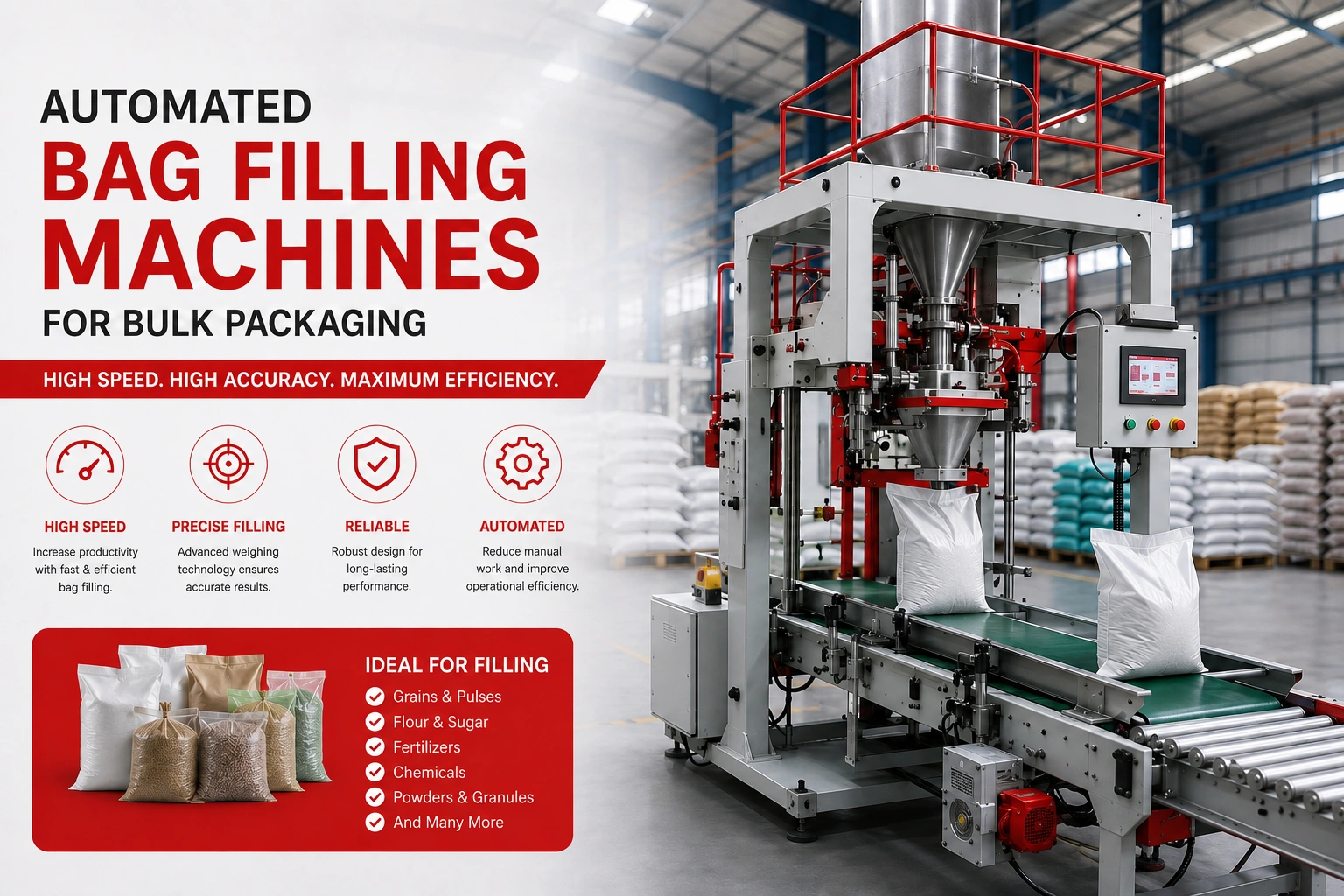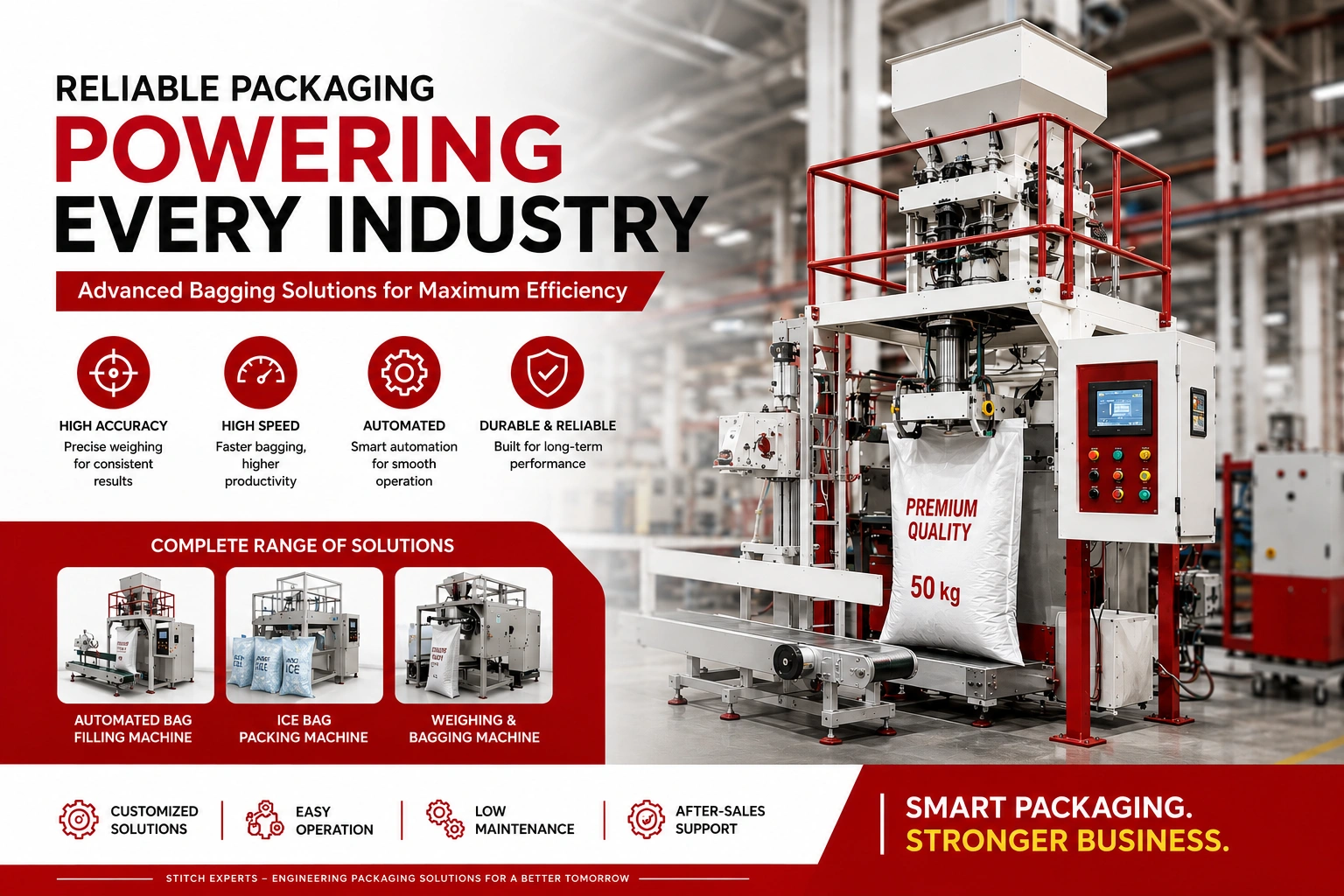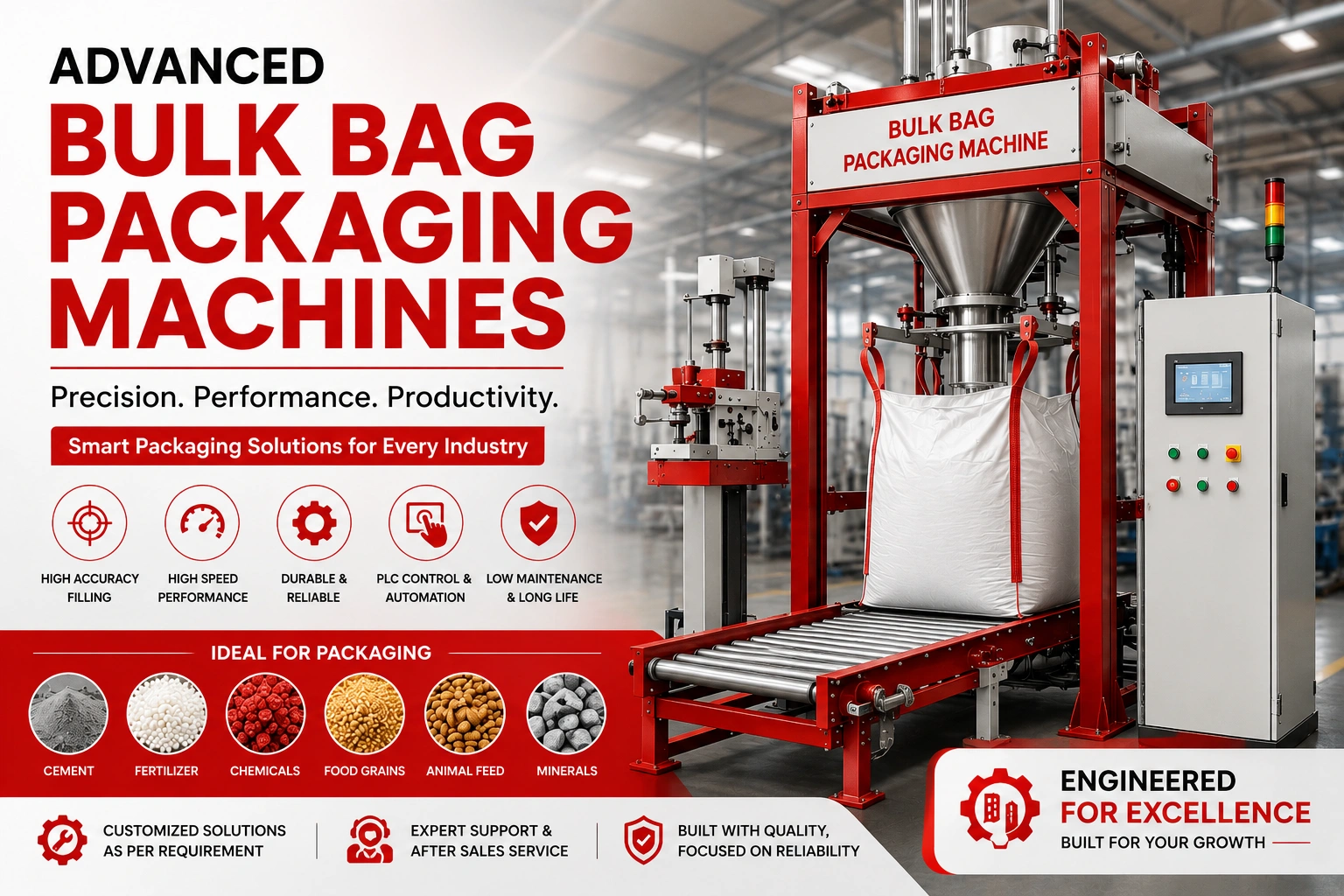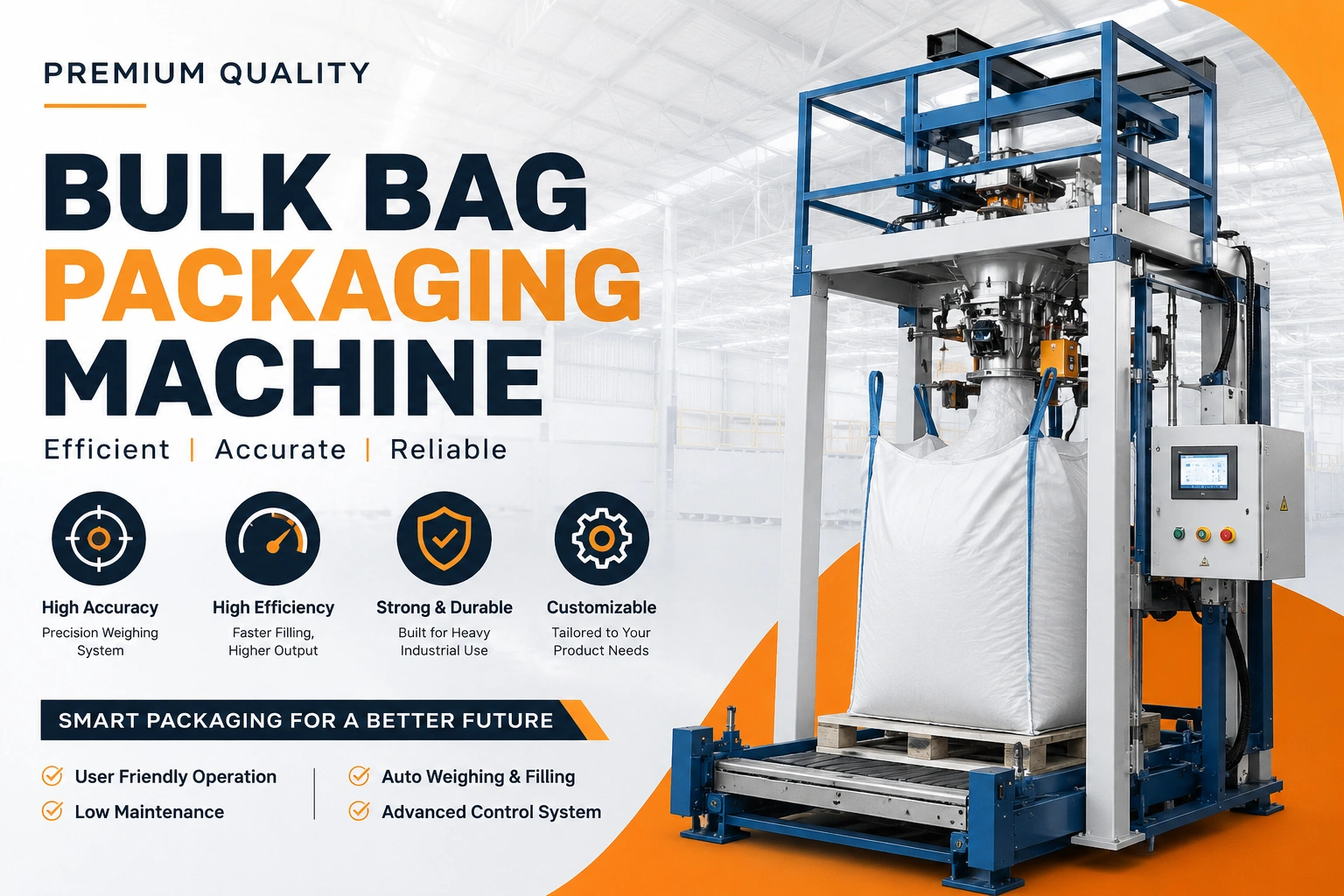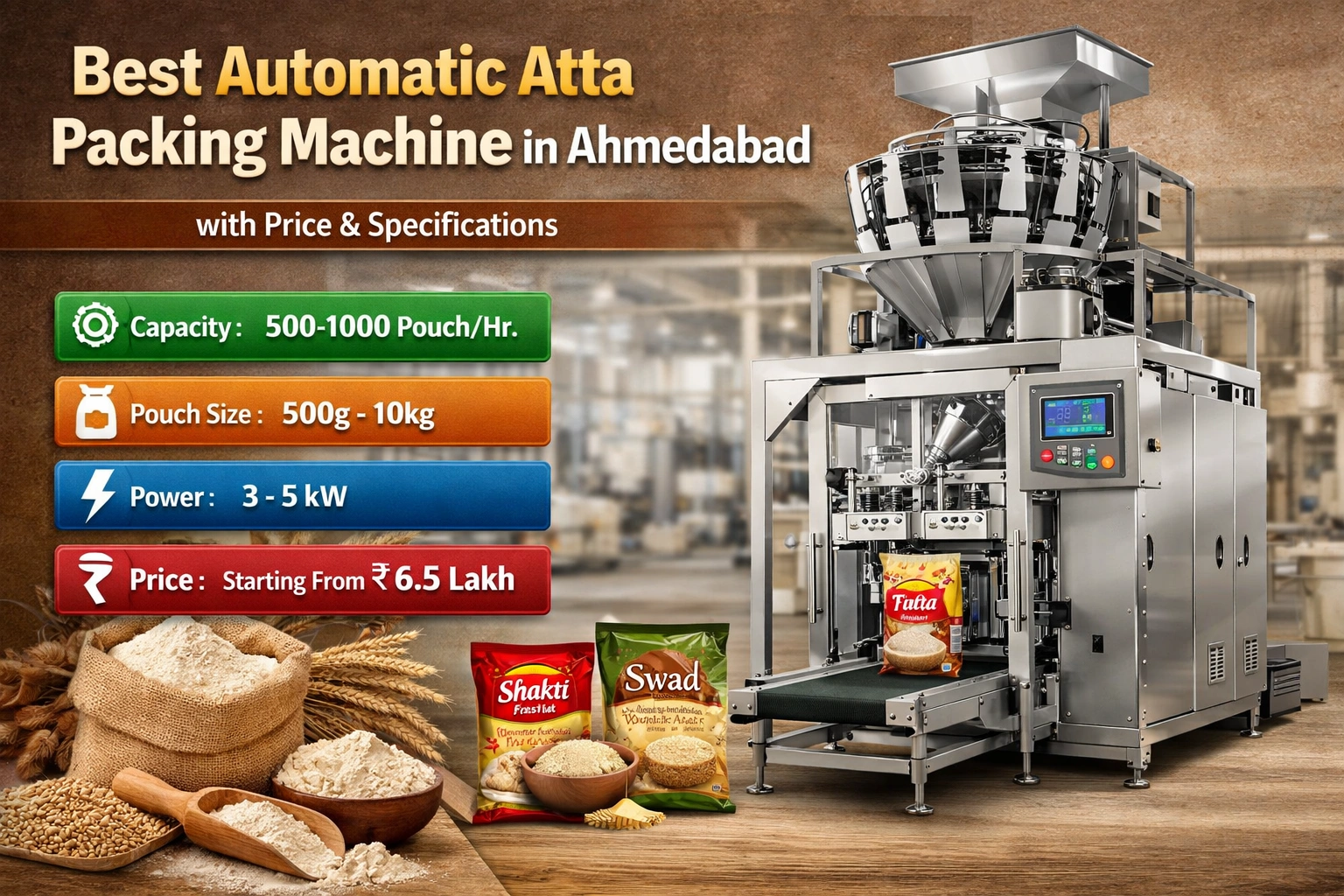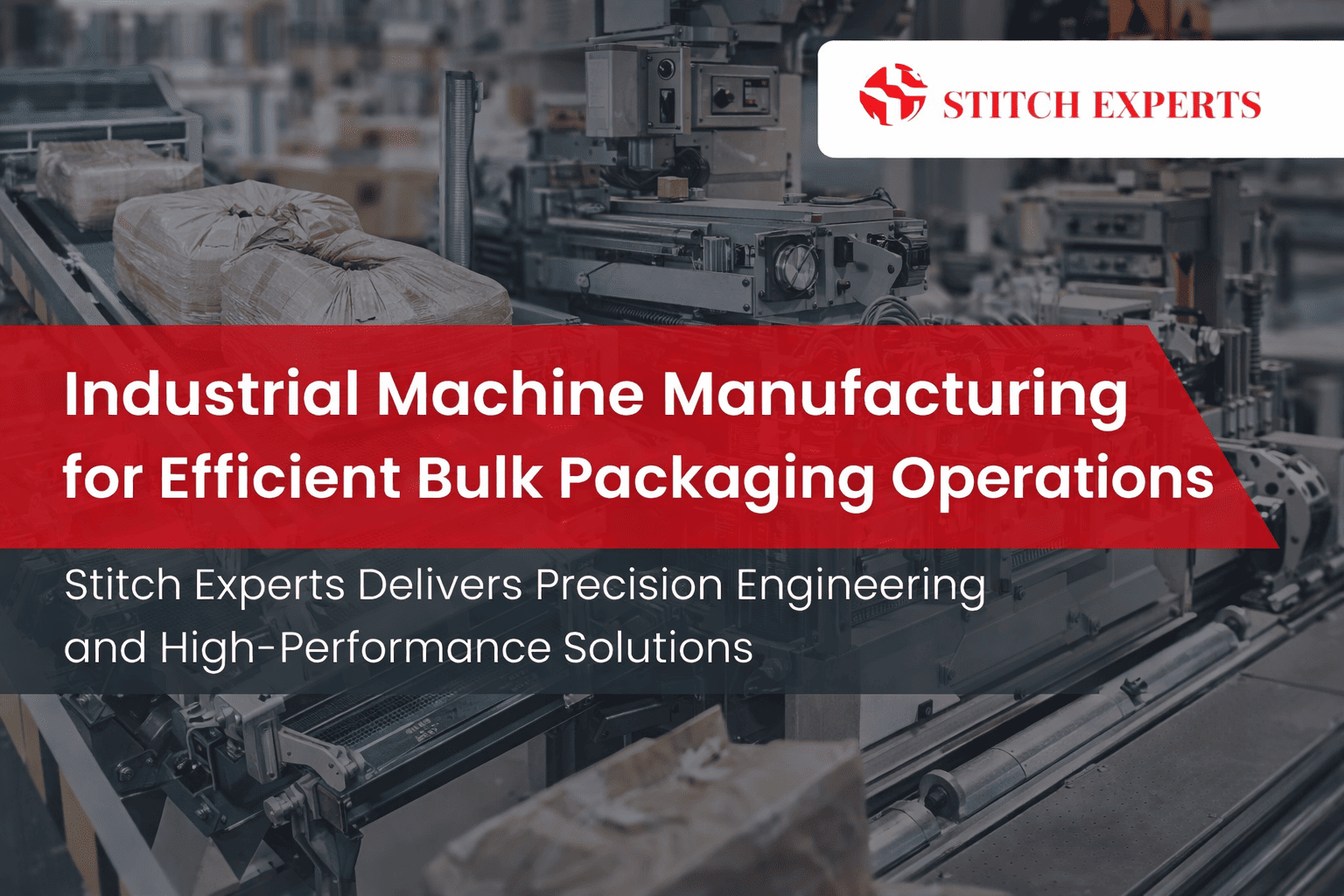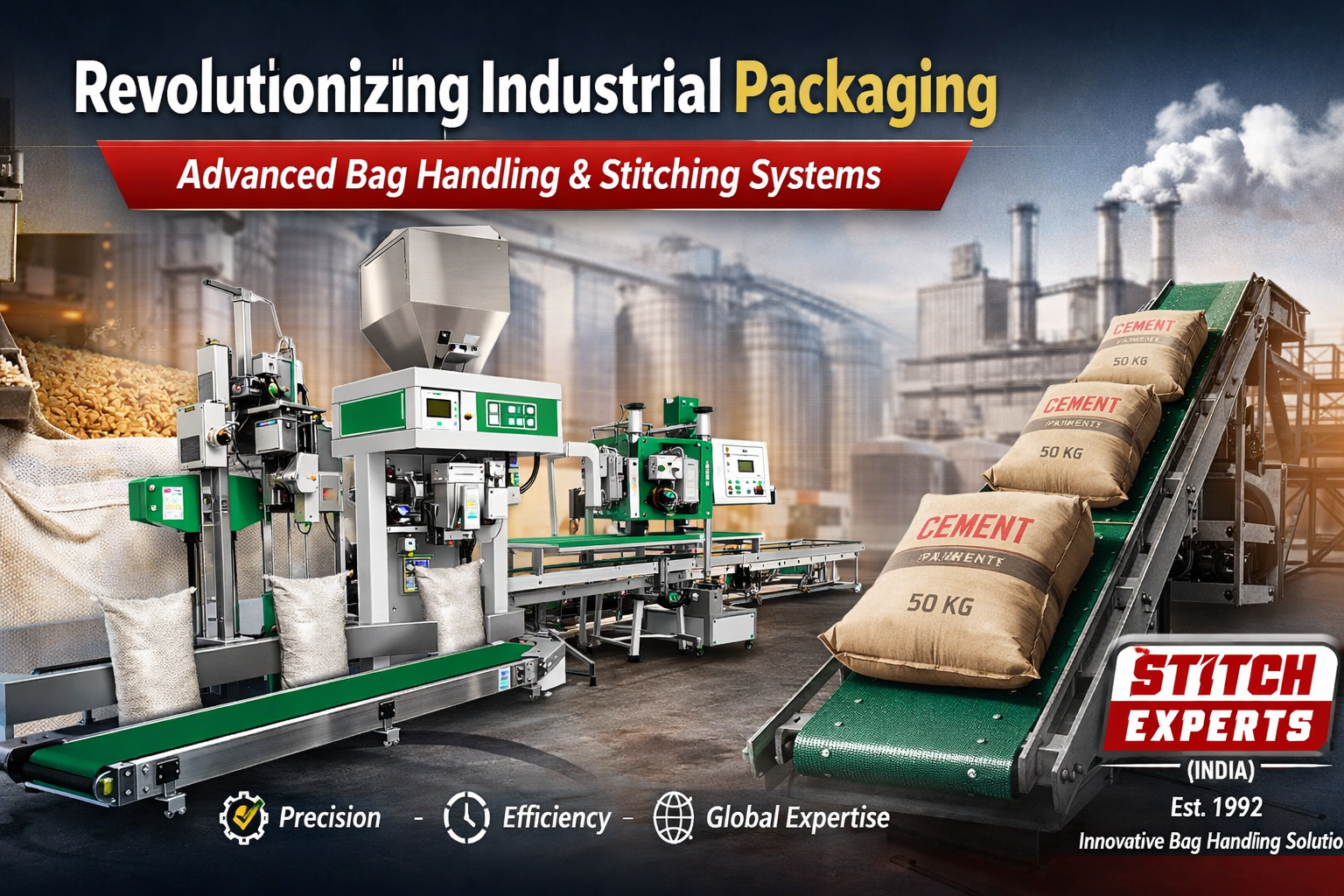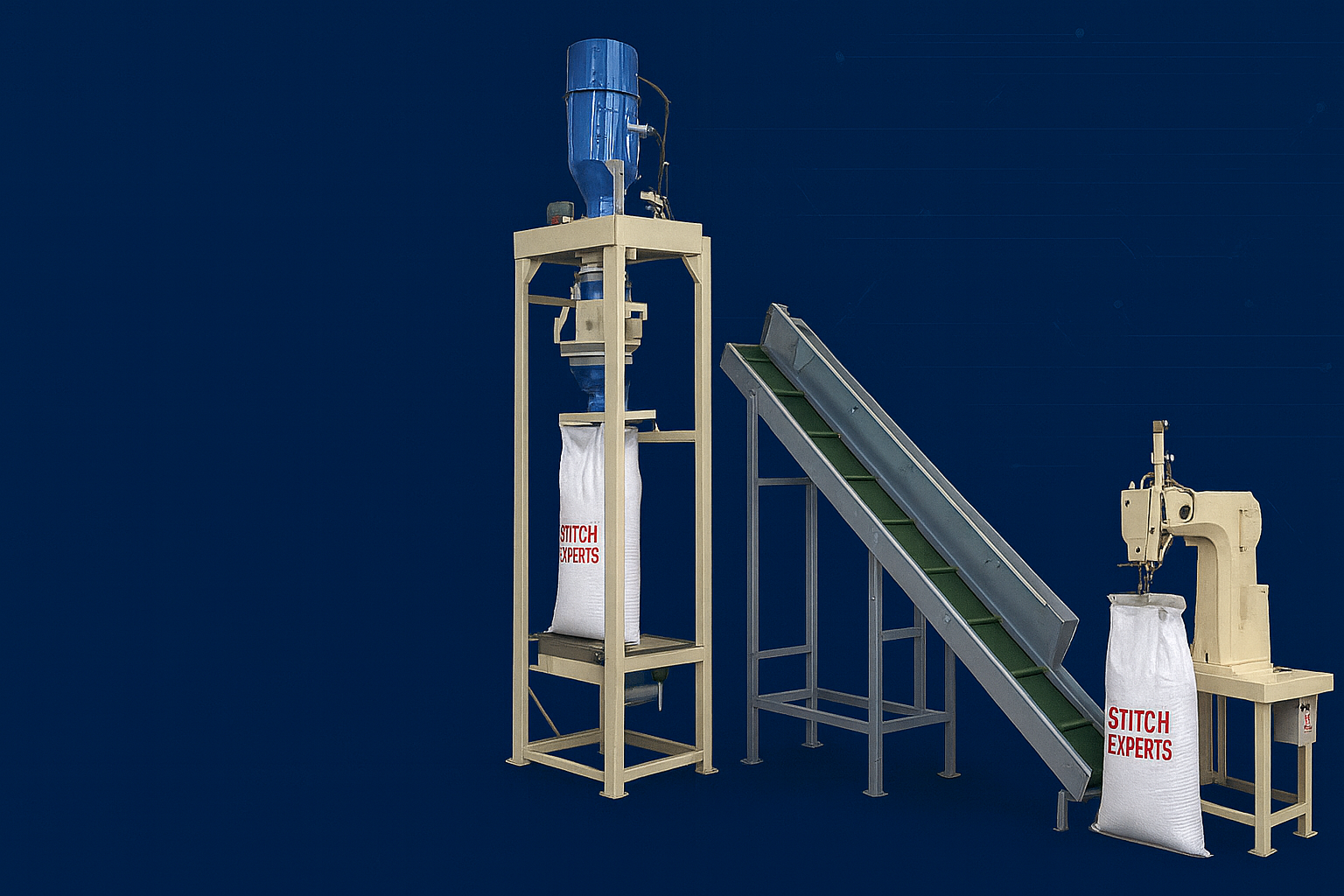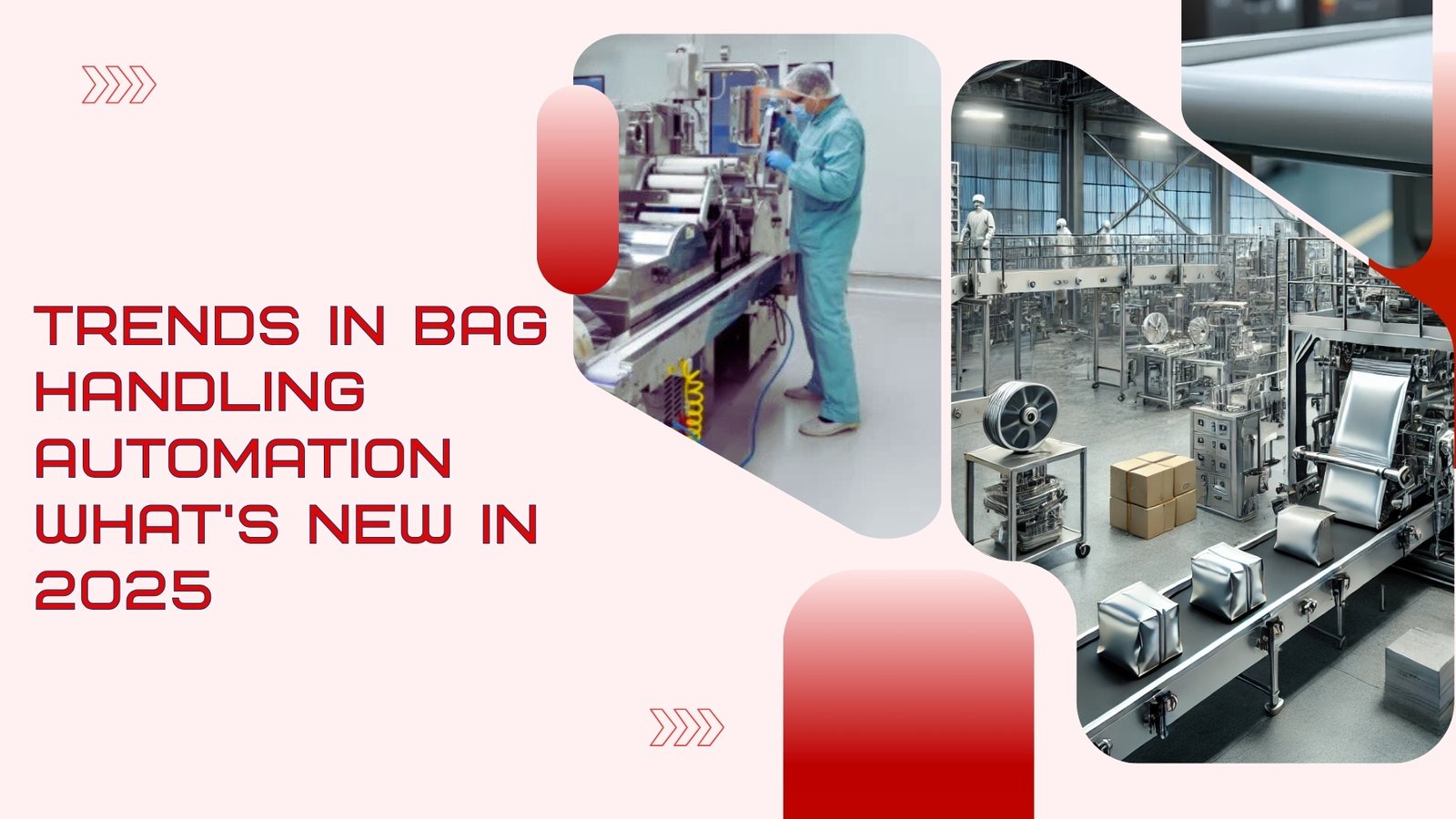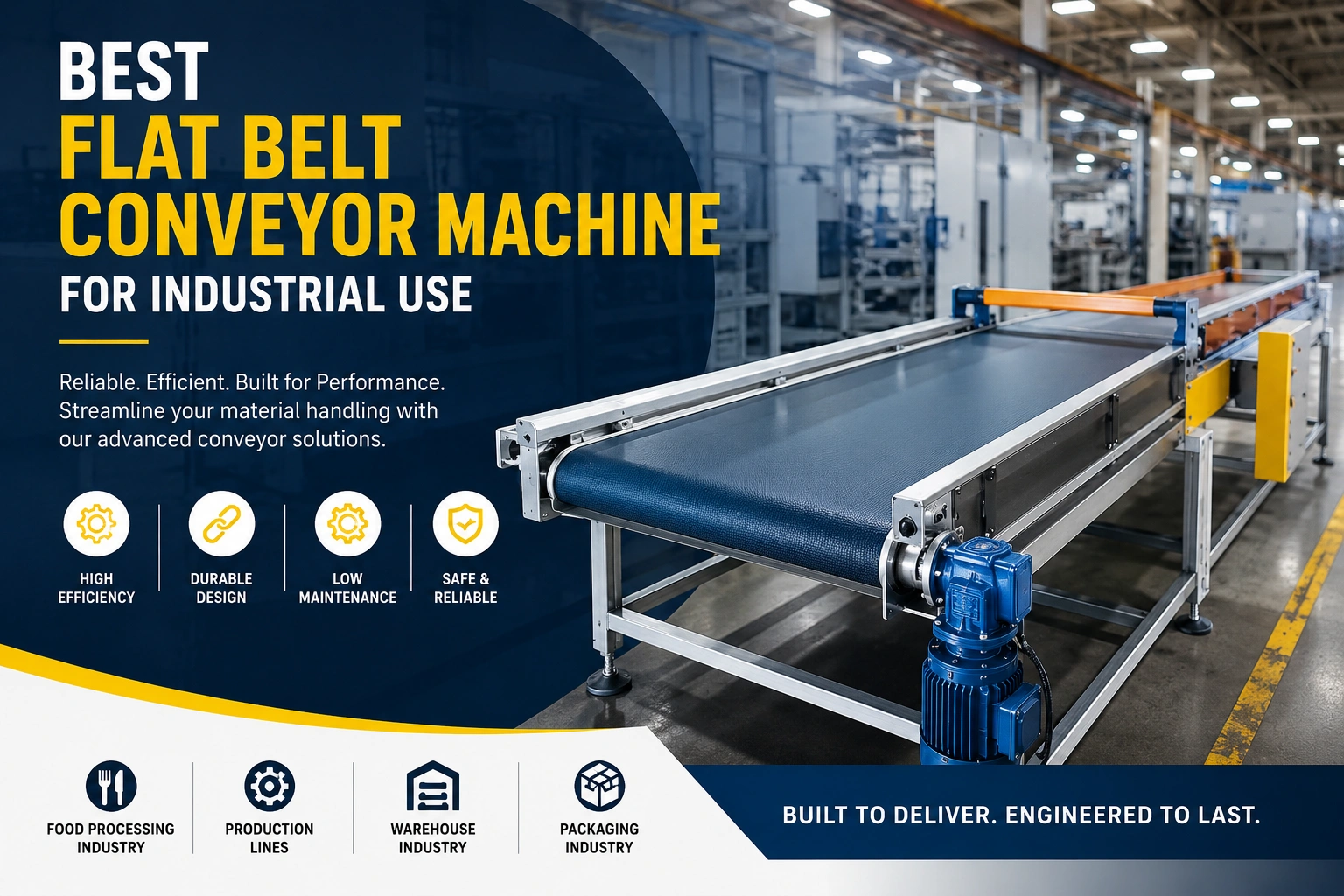
Modern industries depend heavily on automated systems to improve productivity, reduce manual labor, and streamline material handling operations. Among the most efficient solutions used across various sectors is the Flat Belt Conveyor Machine. These conveyor systems play a vital role in transporting products, raw materials, and packaged goods smoothly from one point to another within industrial facilities.
From manufacturing plants to warehouses and food factories, conveyor systems have become an essential part of industrial automation. Their ability to handle continuous movement with minimal downtime makes them highly valuable for businesses aiming to improve operational efficiency and reduce handling costs.
What is a Flat Belt Conveyor Machine?
A flat belt conveyor machine is a mechanical handling system that uses a continuous moving belt to transport products or materials across different sections of a facility. These machines are designed for smooth and efficient movement of goods in industries where speed, accuracy, and automation are important.
Flat belt conveyors are widely preferred because of their simple design, easy maintenance, and ability to handle different types of materials. They are available in various sizes, capacities, and configurations to meet the needs of small businesses as well as large-scale industrial operations.
Industries use these conveyor systems for transporting lightweight packages, food products, cartons, raw materials, and finished goods efficiently.
Importance of Conveyor Systems in Modern Industries
Automation has transformed industrial operations worldwide. Businesses now focus on reducing operational delays while improving production speed and workplace safety. Conveyor systems help achieve these goals by enabling continuous movement of products without excessive human intervention.
A high-quality Flat Belt Conveyor Machine helps industries optimize workflow and maintain consistent production output. It reduces manual handling errors and improves productivity in busy work environments.
Modern conveyor systems are also designed with energy-efficient motors and durable materials, making them suitable for long-term industrial use.
Applications in the Food Industry
Automation is extremely important in the Food Processing Industry because hygiene, speed, and precision are critical for production. Flat belt conveyor systems are commonly used in food factories for transporting packaged products, raw ingredients, bakery items, bottles, containers, and processed foods.
These conveyor machines are designed using food-grade materials that meet safety and hygiene standards. Stainless steel construction and easy-to-clean surfaces make them suitable for food handling applications.
In food manufacturing plants, conveyor systems help maintain smooth workflow while reducing contamination risks. They also improve operational efficiency by minimizing manual contact with food products.
Food industries often use conveyor systems for:
- Sorting food items
- Packaging operations
- Moving bakery products
- Bottle and container transportation
- Inspection and quality control processes
Role in Production Lines
Industrial automation relies heavily on efficient Production Lines to maintain high output and product consistency. Conveyor systems form the backbone of many manufacturing setups because they ensure uninterrupted movement between different stages of production.
Whether in automotive, electronics, pharmaceuticals, textiles, or consumer goods manufacturing, conveyor machines help synchronize operations efficiently.
Flat belt conveyors improve production speed by reducing delays caused by manual transportation. Workers can focus on assembly, inspection, and packaging tasks while the conveyor system handles product movement automatically.
Benefits in production lines include:
- Faster material handling
- Reduced labor dependency
- Improved workflow efficiency
- Better product tracking
- Lower operational downtime
Importance in Warehouse Operations
The logistics and storage sector depends significantly on automation to manage inventory movement effectively. In the Warehouse Industry, conveyor systems help transport goods quickly across storage and dispatch areas.
Warehouses handling high order volumes require efficient material movement to reduce delays and improve delivery speed. Conveyor systems simplify internal logistics by enabling smooth transportation of boxes, cartons, and packages.
Flat belt conveyors help warehouse operators:
- Improve order processing speed
- Reduce manual lifting
- Increase workplace safety
- Optimize storage operations
- Minimize product damage
Modern warehouses integrate conveyor systems with barcode scanners, sorting machines, and automated inventory systems for better efficiency.
Applications in Packaging Operations
The Packaging Industry relies heavily on conveyor systems to maintain fast and accurate packaging processes. Flat belt conveyors are commonly used for transporting products between filling, sealing, labeling, and packing stations.
Packaging facilities require continuous movement of products to meet high production demands. Conveyor systems help improve packaging speed while maintaining product handling accuracy.
Industries use conveyor systems for:
- Carton transportation
- Labeling operations
- Bottle handling
- Box packing
- Inspection processes
- Automated sorting
Automated packaging lines equipped with conveyor systems help businesses reduce operational costs and improve production efficiency.
Features of a High-Quality Conveyor Machine
When choosing a conveyor system, industries should focus on performance, durability, and operational requirements. Key features include:
Durable Construction
Heavy-duty frames and high-quality belts ensure long-lasting industrial performance.
Smooth Operation
Efficient motors and stable belt movement reduce noise and vibration during operation.
Easy Maintenance
Simple designs allow quick cleaning and maintenance, reducing downtime.
Energy Efficiency
Modern conveyor systems consume less power while delivering high operational output.
Customizable Design
Conveyor machines are available in various lengths, widths, and load capacities to suit different industries.
Benefits of Using Flat Belt Conveyor Systems
Increased Productivity
Automated movement reduces delays and improves overall workflow efficiency.
Reduced Labor Costs
Conveyor systems minimize the need for manual transportation and handling.
Improved Workplace Safety
Automation reduces lifting-related injuries and workplace accidents.
Better Product Handling
Smooth belt movement minimizes product damage during transportation.
Enhanced Operational Efficiency
Industries can achieve faster processing and consistent production output.
Choosing the Right Conveyor Machine
Before purchasing a conveyor system, businesses should evaluate:
- Load capacity requirements
- Belt material quality
- Conveyor speed
- Industry-specific applications
- Available workspace
- Maintenance needs
Selecting the right conveyor system ensures better long-term performance and operational efficiency.
Final Thoughts
Industrial automation continues to grow rapidly across manufacturing, logistics, and food sectors. Conveyor systems have become essential for businesses aiming to improve efficiency, reduce labor costs, and streamline material handling operations.
A reliable Flat Belt Conveyor Machine offers smooth transportation, improved productivity, and long-term durability for modern industries. Whether used in the Food Processing Industry, automated Production Lines, large-scale Warehouse Industry, or advanced Packaging Industry, conveyor systems play a major role in improving industrial workflow and operational performance.
Businesses investing in high-quality conveyor systems can enhance productivity, maintain better workflow management, and stay competitive in today’s fast-moving industrial environment.