Screw Conveyor Selection Guide: How to Choose the Right One for Your Plant
Ordering a screw conveyor looks easy until the first batch jams. The mistakes that cause trouble usually happen earlier, on paper, when the material was described loosely or the capacity was guessed.
This guide walks you through selection in five clear steps. Each step narrows the choice, so you finish with a specification that any serious maker can quote against. Stitchexperts keeps the focus on practical checks rather than theory.
You will also see how a screw conveyor compares with other conveyors, how to read a drawing, what shapes the price, and how to vet suppliers.
Why Selection Matters More Than the Machine
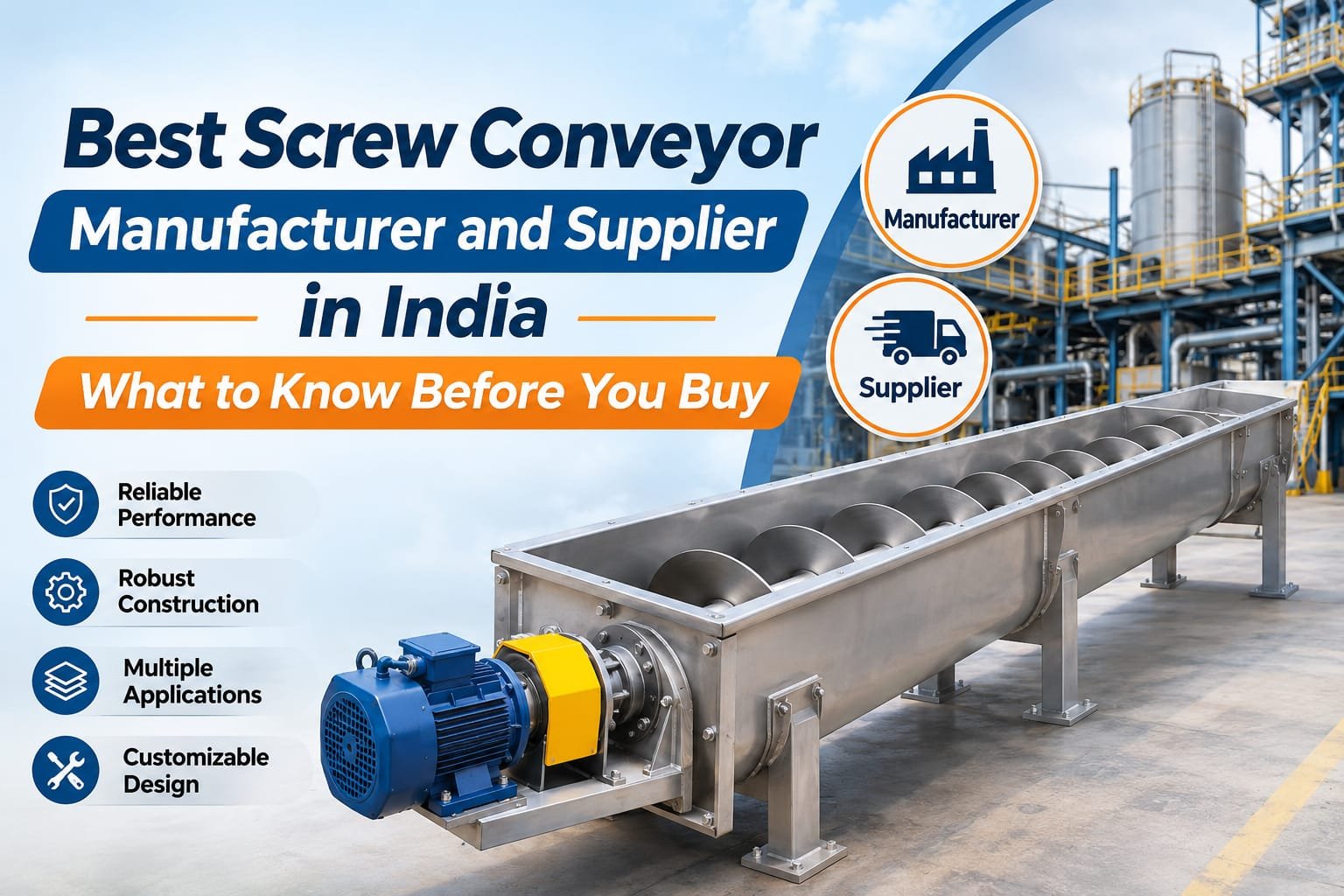
A screw conveyor is a rotating helical blade inside a trough or tube that pushes bulk material from inlet to discharge. The concept is simple, but the right unit for flour is the wrong unit for wet sludge. Two conveyors that look identical on paper can behave very differently on your product.
Poor selection shows up quickly. Material packs around the hanger bearings, motors trip, flights wear within months and product quality suffers through contamination or degradation. Each failure traces back to a mismatch between the product and the specification.
Good selection prevents these problems before fabrication begins. It also gives every supplier the same facts to quote against, which makes comparison fair.
Five Steps to Select the Right Screw Conveyor
Work through these steps in order. Skipping one usually costs more later.
Step 1: Describe the Material Honestly
Start with the product, including its name, bulk density, particle size, moisture and temperature. Mention whether it is sticky, abrasive, corrosive, fragile or prone to packing. Note any food, pharma or hygiene requirement as well. Photos or a small sample help a maker judge flow behavior far better than words alone.
Step 2: Set the Capacity
State the required throughput in tonnes or cubic meters per hour, and say whether flow is continuous or in batches. Add a margin for future growth. Capacity depends on diameter, pitch, speed and fill level, so the maker will balance these. A trough running nearly full wears faster and jams more easily.
Step 3: Choose the Type and Layout
Pick horizontal, inclined, vertical, flexible or shaftless based on your site. Measure the center distance between inlet and discharge, along with any height gain. Note obstacles, headroom and access for cleaning. Inclined and vertical layouts lose capacity, so give the exact angle rather than a rough guess.
Step 4: Check Materials, Design and Drive
Good screw conveyor design matches the construction to the product. Mild steel suits dry general duty, stainless steel suits food, pharma and corrosive material, and hard-faced flights suit abrasive minerals. Confirm trough thickness, shaft size, bearing type, seal type and coating. Then size the motor and gearbox with a safety margin, and consider a variable frequency drive if throughput will change. Stitchexperts suggests recording every choice in one written specification.
Step 5: Verify the Drawing and Quote
Before approving anything, review the general arrangement drawing against your requirement. Confirm inlet and discharge positions, lengths, covers and access doors. Then match the quotation line by line with the drawing.
Comparing Screw, Belt and Bucket Conveyors
The screw design is enclosed, which keeps dust in and contaminants out. That makes it a strong choice for powders, grains and short to medium distances. It also works well for metering, and a jacketed trough can add heating or cooling.
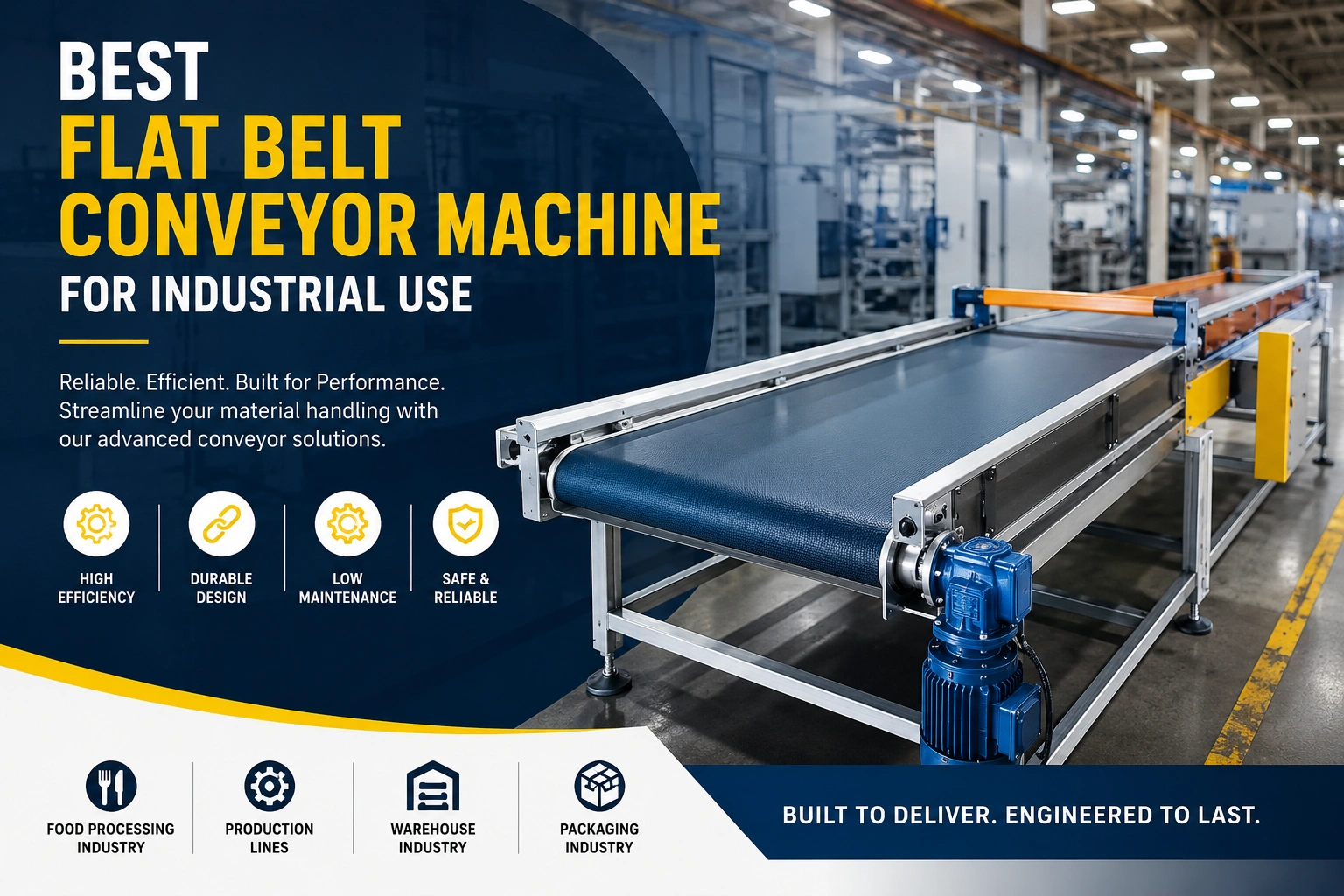
Belt conveyors cover longer distances and handle large, lumpy or fragile material more gently. They are open, though, so dust and spillage need extra control. Bucket elevators lift material vertically with less abrasion on the product but need more height and more careful upkeep. Pneumatic systems suit clean, dry powders and awkward routes, but they use more energy.
Choose by material, distance, lift and cleanliness. Where those factors favor an enclosed, compact and economical solution, a screw conveyor usually wins.
Reading the Diagram Before You Approve It
A screw conveyor diagram is a shop drawing, and it is your last chance to catch errors cheaply. It shows overall length, inlet and discharge locations, flight pitch, shaft diameter, trough profile, bearing positions and drive arrangement.
Check the hand of the screw and the drive position first, because a wrong hand reverses the flow direction. Confirm that the discharge height clears your next piece of equipment. Make sure inspection doors sit where a technician can reach them. Verify that dimensions match the real site, including columns, pipes and walkways.
Ask the maker to mark material grade and thickness on the drawing. A drawing without these details is not ready for approval.
Understanding Screw Conveyor Price and Quotes
Price follows construction. Material grade, trough thickness, flight type, shaft diameter, length, bearings, seals, gearbox and motor all feed into it. Special finishes such as polishing, coatings and jackets add more.
Cheap quotes deserve a second look. Compare thicknesses, grades and drive ratings, since a lower figure often means lighter parts that wear sooner. Also compare what is excluded, such as the motor, guards, supports, freight and installation.
Think in total cost, not only purchase cost. A sturdier build with the right wear parts can cost less over the years than a light unit replaced twice. Ask Stitchexperts or any supplier for an itemized quote with a specification sheet so you can compare like with like.
Vetting Screw Conveyor Manufacturers and Suppliers
A good partner asks questions before quoting. If a firm names a price after one phone call and no details, expect surprises later. Look for makers who ask about material, capacity, layout and duty cycle.
Ask about fabrication. Weld quality, flight forming, shaft straightness and trough alignment decide the life of the conveyor. A workshop visit or recent project photos can show far more than a brochure.
Understand the supply chain as well. Some firms build in their own plant, while others trade and subcontract. Both can work, provided someone clearly owns quality, delivery and after-sales support.
Local sourcing helps in India. Trial runs, site fixes and spare parts arrive faster, and transport damage drops. You can approach Stitchexperts with your drawings and material data for a clear technical discussion before you commit. Confirm delivery dates, warranty terms and spare part availability in writing.
Installation, Maintenance and Troubleshooting
Install the conveyor on a rigid, level frame, and align the shaft and gearbox carefully. Poor alignment causes bearing heat and uneven wear. Run the unit empty first, then feed it gradually.
Choking is the most common complaint. It usually comes from overfeeding, a wet or sticky product, a worn hanger bearing or a blocked discharge. Reduce the feed rate, check moisture and inspect bearings before blaming the motor. A level or zero-speed sensor gives early warning.
Excess noise often points to worn flights or a bent shaft, while rapid wear points to abrasive material or unsuitable flight material. Schedule routine checks of seals, gearbox oil and fasteners, and keep spare flights and bearings in stock, as Stitchexperts recommends for any plant running continuous duty. Always isolate power and apply lockout before opening covers, and keep guards in place at all times.
Frequently Asked Questions
How do I choose the right screw conveyor?
Start with your material, including density, moisture and stickiness, then define the capacity you need. Next, decide the type and layout that fit your site, and choose the construction material and drive. Finally, check the drawing and compare quotes on the same specification.
Which material is better for food handling?
Stainless steel in grades such as 304 or 316 is the usual choice for food, because it resists corrosion and cleans easily. Smooth welds and sealed bearings also help keep product clean. Mild steel suits dry, non-food duties where cost matters more.
How is the price of a conveyor decided?
Price depends on material grade, length, diameter, plate thickness, drive rating and special features. A stainless steel unit costs more than mild steel, and a longer or heavier build costs more again. Share your requirement with Stitchexperts for a quotation based on a clear specification.
What is the difference between a screw conveyor and a belt conveyor?
A screw conveyor is enclosed and compact, so it controls dust well and suits powders, grains and shorter runs. A belt conveyor is open and better for long distances and lumpy material. Your product and layout should decide which one fits.
Can a conveyor handle sticky or wet material?
Yes, but the design must change. Shaftless spirals, wider pitch and lower speed often work better with sludge and sticky products, because there is no central shaft for material to wrap around. Tell the maker about moisture and stickiness at the start.
How often should a conveyor be serviced?
Check it visually every week and carry out a detailed inspection of bearings, seals, flights and gearbox oil at regular intervals. Heavy or abrasive duty needs shorter gaps between checks. Keep a simple log so you can spot wear trends early.
Conclusion
Choosing the right screw conveyor comes down to five steps: describe the material, set the capacity, pick the layout, specify construction and drive, and verify the drawing. Follow them, and you avoid jams, early wear and surprise costs. A clear specification also makes quotes comparable, so your decision rests on facts.
If you want a second opinion on your requirement, contact Stitchexperts today. Share your material, capacity and layout, and request a detailed quotation for your plant.